Selecting the appropriate size dehumidifier is vital for achieving effective moisture control in your home. An appropriately sized dehumidifier can improve indoor air quality, inhibit mold growth, and safeguard your possessions. In this article, we present a straightforward sizing rule along with a detailed room-by-room assessment framework, designed to help you understand your individual requirements. By evaluating various factors such as room dimensions, humidity levels, and specific challenges presented by each space, this guide intends to equip you with the knowledge necessary to make informed purchasing decisions for your home environment.
What Size Dehumidifier Do You Need? A Simple Sizing Guide
When selecting the right dehumidifier, a practical guideline is that a unit should be capable of removing approximately 30 pints of moisture per day for spaces up to 1,500 square feet under normal dampness conditions. For areas experiencing heightened moisture, such as basements or those prone to humidity, this number should increase alongside the square footage. Aligning the dehumidifier's capacity with these specific requirements is essential; while this general guideline helps streamline your selections, each location might present unique factors needing closer examination. This sizing guide serves as a valuable starting point, allowing homeowners to assess their needs effectively. The subsequent sections will dive deeper into nuances like room dimensions and environmental conditions, ensuring a holistic understanding before making a purchase decision.
What Does PPD Mean on a Dehumidifier? Understanding Capacity Ratings
Pints per day (PPD) measures how much moisture a dehumidifier can remove from the air within 24 hours. This rating helps homeowners compare different models and choose a unit that matches their room size, humidity level, and moisture control needs.
A higher PPD rating generally means the dehumidifier can remove more moisture over time, making higher-capacity units better suited for larger spaces, damp basements, or areas with persistent humidity problems. However, the right capacity depends on more than the PPD number alone.
Choosing the Right Dehumidifier Size: Room Size, Humidity, and Moisture Factors
Accurate measurement of your room's dimensions is vital for identifying the appropriate dehumidifier. Begin by utilizing a tape measure to document the length and width of the room. Multiply these measurements to calculate the square footage, which will guide your selection of dehumidifier capacity.
Assessing humidity levels is equally crucial; a hygrometer can yield precise readings of indoor humidity. Aim to maintain humidity levels between 30% and 50%, as this range is generally deemed comfortable. Should readings exceed this threshold, it may signal the necessity of a dehumidifier.
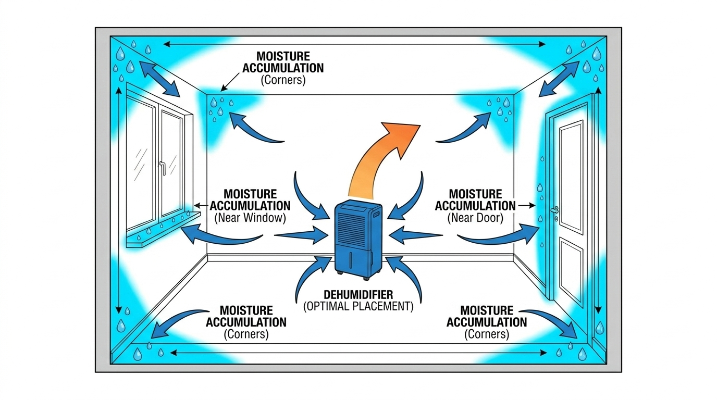
While measuring, it is also important to check the indoor temperature, as warmer rooms tend to retain more moisture, warranting a more powerful dehumidifier. Be vigilant for signs of moisture accumulation such as damp walls, musty odors, or mold growth, notably in basements or bathrooms. These indicators are critical as they reflect the moisture status of the environment, assisting you in appropriately sizing the dehumidifier to maintain optimal air quality and comfort throughout your home. This thorough assessment not only aids in selecting the right product but also enhances the general indoor environment, in line with recommendations from reputable sources like ENERGY STAR and the EPA.
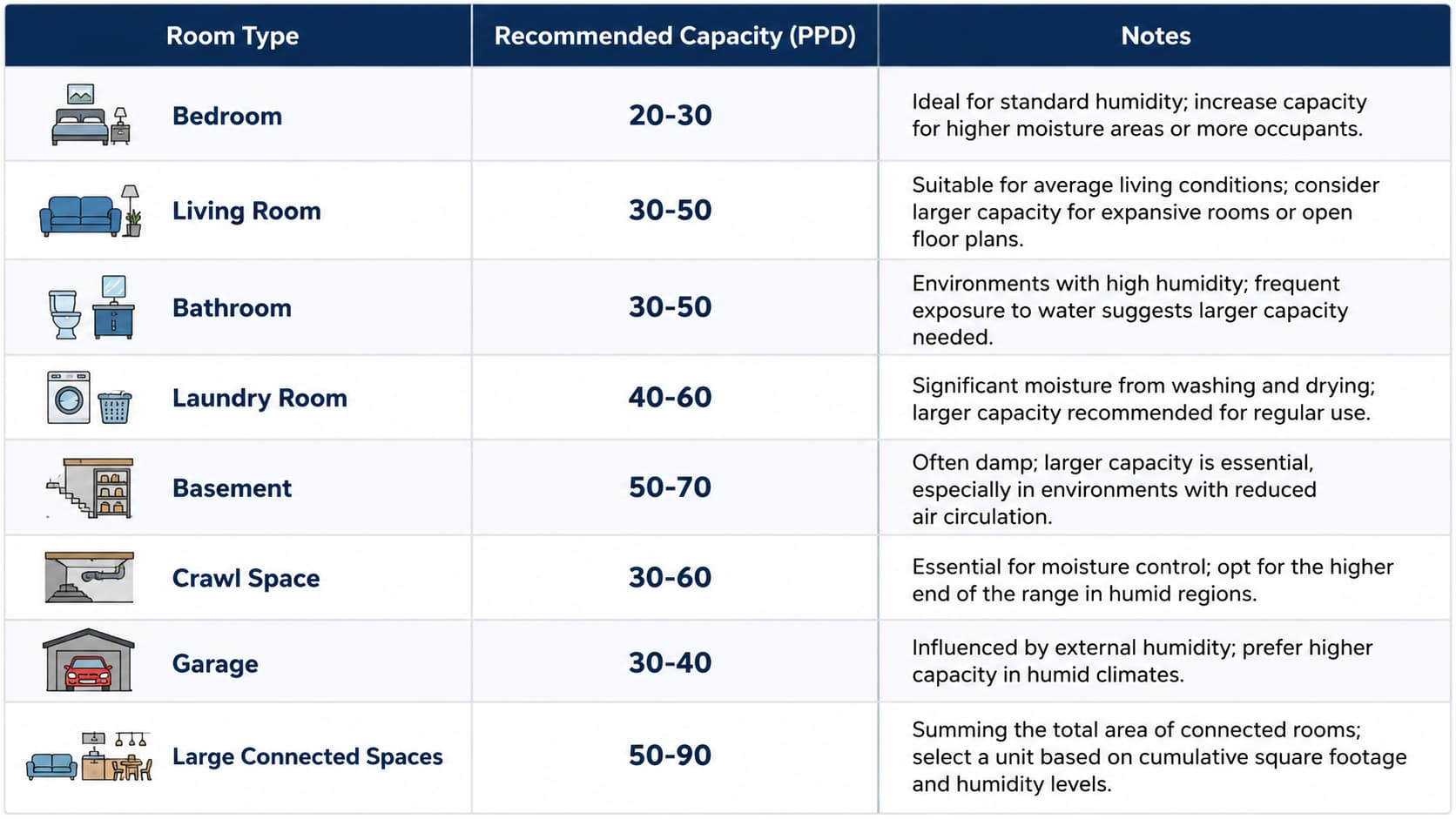
Notes on Conditions:
In areas of high humidity or during wet seasons, it is advisable to select a dehumidifier with a higher PPD rating to ensure effective moisture management. Daily activities, such as bathing and cooking, can also elevate humidity levels and may necessitate capacity adjustments.
Step-by-Step Sizing Worksheet for Dehumidifiers
To successfully determine the appropriate size dehumidifier, begin by calculating the room's square footage. Measure the length and width of the room and multiply these figures:
Step 1: Calculate Square Footage
Length (in feet) x Width (in feet) = Square Footage
For instance, a room that measures 12 ft long and 10 ft wide has a square footage of 120 sq ft.
Step 2: Measure Humidity Levels
Next, evaluate the current humidity levels using a hygrometer. Optimal indoor humidity ranges from 30% to 50%. Elevated levels may necessitate a larger capacity dehumidifier.
Step 3: Identify Moisture Sources
Reflect on potential moisture sources such as regular laundry drying, cooking, or high occupancy levels that can boost room humidity.
Step 4: Evaluate Drainage Options
Determine how collected moisture will be eliminated - through gravity drainage, a pump, or a water tank. This choice influences the dehumidifier model best suited to your needs.
Quick Checklist:
- Room size checked?
- Humidity measured?
- Moisture sources identified?
- Drainage method considered?
Following these steps will assist you in selecting a dehumidifier tailored to the unique needs of your home.
How to Calculate the Right Dehumidifier Size: Step-by-Step Guide
When considering a dehumidifier, understanding the difference between portable and whole-home models is essential. Portable dehumidifiers offer flexibility and user-friendliness, making them ideal for localized moisture control. They are easy to move and are commonly more budget-friendly, making them suitable for smaller spaces or temporary needs. On the other hand, whole-home dehumidifiers are intended to integrate into your HVAC system, enabling comprehensive moisture management across larger areas. This setup can significantly improve air quality and comfort but generally requires a higher upfront investment and professional installation.
Key metrics such as Energy Factor (EF) and Integrated Energy Factor (IEF) ratings are critical in assessing efficiency. Higher ratings indicate superior energy performance, benefiting both the consumer's wallet and the environment. Essentially, portable units are ideal for targeted areas or smaller homes, while whole-home solutions are preferable for expansive spaces.
In essence, your choice should be driven by personal requirements and the layout of your home to optimize performance and efficiency.
Key Features to Consider When Choosing a Dehumidifier
When selecting a dehumidifier, drainage options are crucial. Manual drainage necessitates user oversight, as it requires regular emptying of the water collection tank, whereas continuous drainage systems offer greater convenience by allowing for a direct outlet to a drain, minimizing the need for user intervention. However, such setups may require professional installation.
Energy efficiency is a critical consideration; models certified by ENERGY STAR guarantee lower operating costs and optimized performance. Noise levels can vary between units, with quieter models often designed for low-temperature environments, making them efficient for cooler basements or garages. Regular maintenance is paramount: ensuring filters are cleaned often and adhering to a maintenance schedule can greatly enhance the lifespan and efficiency of your dehumidifier. Such diligence aligns with recommendations from the EPA and other reputable organizations, ensuring that homeowners can maximize their units’ effectiveness.
Dehumidifier Safety Tips: Mold Prevention, Electrical Safety, and Proper Setup
Addressing moisture sources in homes is crucial for a healthy living environment. Leaks, whether arising from plumbing issues, roof damage, or excessive humidity, can lead to mold growth, posing both health risks and structural concerns. Adequate ventilation is essential, as it manages humidity levels while preventing conditions conducive to mold development. Homeowners must stay alert for signs of dampness and promptly address their causes to preserve the integrity of their living spaces.
In addition to moisture management, electrical safety is a significant concern in damp environments. The combination of water and electricity can be hazardous, so it is vital to consult qualified professionals when addressing mold problems or undertaking extensive installations. Ensuring that electrical systems meet safety standards can prevent electrical hazards and fires. It is particularly important to account for vulnerable groups, such as children and pets, when utilizing dehumidifiers or moisture-reduction appliances. Regular checks on dehumidifying devices ensure they function safely and effectively, safeguarding both loved ones and the home environment.
Final Thoughts with a Sizing Checklist
Choosing the right size dehumidifier is essential for establishing a comfortable and healthy home environment. As outlined throughout this article, factors to consider include room dimensions, humidity level assessments, and the unique requirements of each area. Homeowners should evaluate the dehumidifier’s capacity (measured in pints per day), energy efficiency (considering ENERGY STAR certification), and the type of unit best suited for their particular climate and usage.
Final Sizing Checklist:
- Accurately measure room dimensions.
- Assess humidity levels in the environment.
- Determine the required dehumidifier capacity (pints/day).
- Look for ENERGY STAR certification.
- Evaluate the type of unit (e.g., portable vs. whole-home).
- Review maintenance tasks and the frequency of filter replacements.
Utilize this checklist to make an informed and effective choice!