Stainless steel appliances are loved for their sleek look, strong build and clean surface. The modern finish of stainless steel adds brightness to a kitchen and fits many design styles. Over time, however, fingerprints, hard-water spots, grease and mild oxidation can dull that clean finish and steal the shine.
Understand Your Stainless Steel Surface Before Cleaning
Brushed, Polished and Matte Finishes
Stainless steel appliances come in different finishes: brushed (with fine lines), polished (mirror-like) and matte (soft, low sheen). Each finish reflects light differently and responds differently to cleaning.

Why Wiping With the Grain Matters
If your appliance has a brushed finish, you’ll see subtle lines or strokes in one direction. Cleaning with the direction of those lines (the grain) reduces streaks and avoids creating micro-scratches. Experts identify the grain first and then wipe along it rather than against it.
Quick Test to Find the Grain
Use a clean microfiber cloth to gently wipe a small area; if you see faint lines get pulled, that’s the direction. Then continue cleaning in that direction to keep the surface even and uniform.
Gather the Right Cleaning Tools and Materials
What to Have on Hand
Microfiber cloths (soft, lint-free)
Soft sponges (no abrasive pads)
Mild dish soap
Distilled water (to avoid mineral spots)
A spray bottle (optional)
Optional Helpers
White vinegar (diluted) for grease and fingerprints
Baking soda (for a gentle paste)
Olive oil or mineral oil (for buffing and shine)
A commercial stainless steel cleaner (non-abrasive)
What to Avoid
Steel wool, rough scrub pads or abrasive sponges
Bleach, ammonia-based cleaners or harsh acids
Paper towels (they can scratch or leave lint)
Untreated tap water, if you have hard water — use distilled to prevent spots
Step-by-Step Cleaning Routine for Everyday Shine
Here is a regular cleaning routine for keeping appliances looking sharp:
Wipe down the surface with a lightly damp microfiber cloth to remove loose dust and debris.
Mix mild dish soap with warm distilled water. Dampen a soft sponge or cloth and wipe the surface following the grain.
Rinse by wiping again with a clean cloth dampened with plain distilled water to remove soap residue.
Dry thoroughly using another microfiber cloth — excess moisture may leave water marks.
Buff for shine: apply a small amount of olive oil (or a commercial stainless steel polish), then buff with a clean cloth following the grain.
Frequency tip: A light clean like this 2–3 times a week (or after heavy use) helps maintain that “just-installed” look.
Deep Cleaning Once a Month (for Stubborn Spots or Grease)
When regular cleaning isn’t enough, use a deeper method:
Spray a diluted white vinegar solution (equal parts vinegar and water) onto the surface. Wipe with the grain to tackle fingerprints and grease.
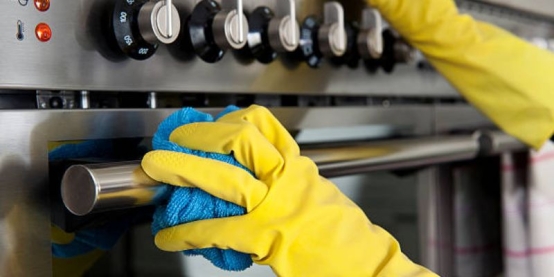
For sticky residue or harder-to-reach seams: make a baking soda paste (three parts baking soda, one part water), apply gently with a soft cloth along the grain, then rinse and dry.
Clean handles, knobs and seams by paying attention to moisture getting inside electronics or panels — use minimal liquid and always dry thoroughly.
Finish with a dry wipe and polish buff for that showroom look.
Ongoing Maintenance Habits to Keep the Shine
Always dry the surface immediately after cleaning or when you spot a spill.
Avoid magnets or adhesive tape on stainless steel surfaces—these can leave sticky or coloured marks.
Keep chlorine-based cleaners or salty moisture away from stainless steel as they may cause corrosion.
Do a quick weekly wipe-down (30 seconds) to prevent buildup of grease or smudges.
Store microfiber cloths clean and lint-free—dirty cloths transfer grime back onto the surface.
Best Natural vs. Commercial Stainless Steel Cleaners (Pros & Cons)
Natural Cleaner Options
White vinegar, baking soda, olive or mineral oil: inexpensive and easy.
Best for: routine cleaning and light polishing.
Commercial Cleaner Options
Store-bought stainless steel sprays or wipes designed for appliance finishes. These can offer longer-lasting shine or fingerprint resistance.
Best for: tougher grime, special finishes, or when you want a more professional result.
Choosing Between Them
For everyday use: natural methods are cost-effective and gentle.
For heavy use or special coatings: commercial products may offer better protection.
Always check the appliance manufacturer’s care instructions before using any product.
Mistakes That Dull or Damage Stainless Steel (Avoid These!)
Using rough pads or steel wool can scratch the finish and make the surface prone to rust.
Spraying cleaner directly onto control panels or electronic surfaces (use a cloth instead).
Cleaning in circles or against the grain—which often leaves swirl marks or streaks.
Ignoring water spots or grease buildup— these lead to harder-to-remove stains.
Mixing multiple cleaning agents (chemical reactions can cause staining or discoloration).
Quick Shine Hacks (for Busy Days)
Rub a drop of olive oil on a dry microfiber cloth and buff the surface for a fast, extra shine.
Baby oil can work similarly for short-term fingerprint resistance (but clean properly before a full polish).
Pre-moistened stainless steel wipes are handy for quick touch-ups.
Use a lemon-juice plus vinegar combo for an eco-friendly odour-and-shine boost (test a small area first).

When to Refinish or Call a Pro
If you see deep scratches, pitting rust or coating damage, it may be time for professional attention.
Pro polishing typically involves specialist tools that restore the grain finish and protect the surface.
If the appliance value is high (premium brand or resale value), professional refinishing could be worth the cost.
Keep the Gleam Going
Regular care and smart habits will keep stainless steel appliances looking their best. Clean with the grain, dry thoroughly and polish lightly. With just a few minutes each week, appliances will maintain that clean, modern shine and avoid the dull, smudged look that makes a kitchen appear dated.