Car assembly jobs are one of the fastest ways into the automotive industry. It’s hands-on work powered by modern tools and automation—not just repetitive factory tasks. You get steady hours, reliable pay, and clear paths to move up once you build experience.
What Is Car Assembly?
Car assembly is the process of building a complete vehicle from thousands of individual parts on a production line. Workers install key systems like engines, frames, interiors, wiring, dashboards, and safety components in a fixed sequence.
Instead of everything happening at once, the work is split across different stations. Each station focuses on one specific task. For example, one group installs powertrains while another handles electronics. This setup keeps production fast, consistent, and accurate.
What Does a Car Assembly Worker Do?
Most daily work is structured and task-based. You follow clear instructions and keep up with the pace of the line.
Typical duties include:
- Receiving and organizing parts for your station
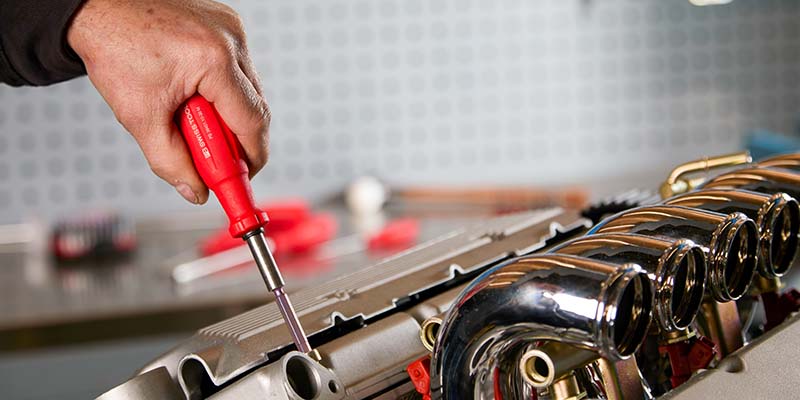
- Assembling components using hand tools or power tools
- Fastening, bolting, or welding parts together
- Doing basic quality checks during and after assembly
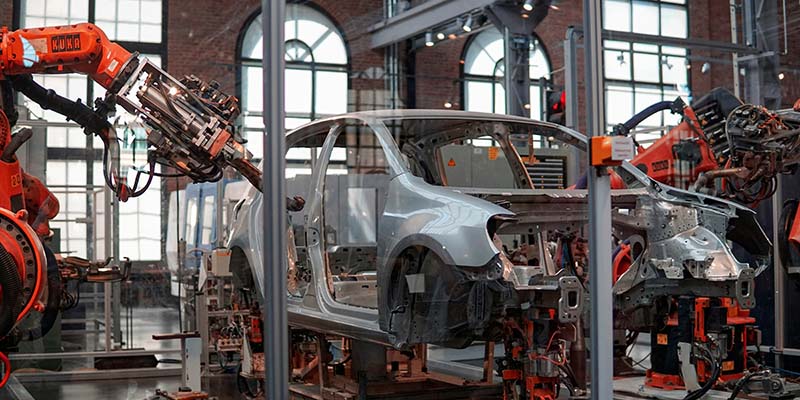
Some roles go beyond the basics. Workers may operate automated machines, help with painting, or test systems before the car moves out of production. In companies like Ford and Toyota, many roles now mix manual work with machine-assisted processes.
Skills You Need for Car Assembly Jobs
Success here is less about experience and more about consistency, focus, and precision. Small mistakes can affect safety or performance, so attention to detail matters a lot.
- Attention to detail
You need to install and inspect parts carefully so everything fits and functions correctly.
- Hand-eye coordination and focus
Most tasks involve tools and repeated movements, so staying accurate and steady is key, even during repetitive work.
- Technical and teamwork skills
You should be able to read simple assembly diagrams, use tools like torque wrenches and drills, follow safety procedures, and work smoothly with both coworkers and automated systems.
Most entry-level positions require a high school diploma or GED. Some employers prefer candidates with vocational training, such as programs available through resources like CareerOneStop from the U.S. Department of Labor.
Types of Car Assembly Jobs
Car assembly isn’t one single job—it’s a mix of roles with different skill levels, responsibilities, and pay. Here are the main ones you’ll see on the line:
1. Production Worker (General Assembler)
This is the most common entry-level role. You handle basic line work like fitting and assembling parts at a steady pace. It can feel repetitive, but it’s the fastest way to understand how a factory runs from the inside.
2. Assembly Technician
A more hands-on and technical role. You’ll use tools, make adjustments, and sometimes work on mechanical or system-related tasks. Best suited for people with some mechanical interest or basic technical training.
3. Vehicle Inspector / Tester
Focused on quality control. You check if parts are installed correctly and whether the vehicle meets safety and performance standards. Accuracy matters here, and pay is often higher than entry-level roles.
4. Machine Operator / Robotics Support
Works around automated systems and robotic equipment. You may monitor machines, make small adjustments, or help fix issues on the line. This role is growing as factories become more automated.
5. Line Supervisor
A step up for experienced workers. Instead of doing assembly work directly, you manage flow, quality, and team coordination to keep the production line running smoothly.
Pay and Career Growth in Car Assembly Jobs
Car assembly is often an entry-level job, but it’s not a dead end. In the U.S., general auto assembly pay often starts in the mid-$30,000s to low-$40,000s a year, depending on the company, location, and shift. One salary source shows an average auto assembly worker pay of about $34,458 a year, while another lists car assembler pay at about $40,813 a year, with hourly pay around $19.62.
The pay can rise once you move into more specialized or higher-responsibility roles.
Some assembly-line positions reach the $42,000 to $70,500 range, especially when the role involves more skill, more responsibility, or stronger overtime opportunities. In unionized plants, base pay, shift premiums, overtime, and benefits can make the total package significantly stronger than the headline hourly wage alone.
With experience, workers can move into higher-paying positions such as line supervisor, quality inspector, machine operator, or skilled technician. Those paths are especially relevant in plants that use robotics, automation, and electric vehicle production.
Why Car Assembly Still Has a Place in 2026
Automation has changed the factory floor, but it hasn’t replaced people. Instead, it has shifted the kind of work humans do.
Modern plants use robotics and AI to handle repetitive or heavy tasks. Companies like Tesla rely on advanced automation, but still need workers for oversight, adjustments, and problem-solving.
Three trends are shaping the field. First, automation and robotics are improving speed and precision. Second, AI-driven predictive maintenance is helping reduce downtime. Third, electric vehicle production continues to grow, which keeps demand for assembly workers steady in many regions.
Supply chain shifts and trade policies also affect hiring. As manufacturers move production closer to key markets, demand for assembly workers remains stable in regions like North America.
How to Start a Car Assembly Career
Starting a career in car assembly doesn’t require a four-year degree, but it does demand practical preparation and a strong work ethic.
Begin by creating a targeted resume that clearly highlights any relevant experience, such as manufacturing, warehouse operations, or mechanical work. Be specific—mention the tools you’ve used (e.g., power drills, torque wrenches), any safety training (like OSHA basics), and hands-on projects such as car repairs or equipment maintenance. Employers value reliability, so include examples that demonstrate punctuality, consistency, and teamwork.
If you don’t yet have experience, build it quickly through short-term training. Community colleges and trade schools often offer automotive technology or basic manufacturing courses that can be completed in weeks or months. You can also practice independently by working on small engine repairs or DIY automotive projects.
When applying, use major job platforms with verified listings. For example:
Indeed: https://www.indeed.com
LinkedIn Jobs: https://www.linkedin.com/jobs
Glassdoor: https://www.glassdoor.com/Job
Search for roles like “assembly technician,” “production associate,” or “automotive assembler.”
In interviews, focus on demonstrating a strong attitude. Employers prioritize candidates who can follow instructions, maintain quality standards, and adapt quickly. Showing a willingness to learn and a commitment to safety can often outweigh a lack of direct experience.
How to Choose the Right Role
The best role depends on whether you want the fastest entry, the most stable routine, or the clearest path upward.
If you want to get in quickly, start with a production worker or general assembler role. These jobs are usually the most accessible and give you a solid base without requiring much prior experience.
If you like accuracy and checking work, look at inspection or testing roles. These jobs are often a little less physically intense than line assembly and can pay better because the company depends on your judgment.
If you already like tools, machines, or fixing things, an assembly technician or machine operator role may fit better. These positions usually come with more technical exposure and better long-term growth.
If your goal is advancement, pay attention to plants that offer training, internal promotion, or union pathways. In many cases, the best first job is the one that gets you into the system and gives you room to move.
FAQs about Car Assembly Jobs
Do you need experience to work in car assembly?
Not always. Many companies hire entry-level workers and provide training, especially if you show reliability and basic mechanical aptitude.
Is car assembly physically hard?
Yes, it can be. The work often involves standing for long periods, repetitive motion, lifting, and keeping up with a steady pace.
Which car assembly job pays the best?
Among entry-level paths, inspector, tester, technician, and machine operator roles usually pay more than general assembly because they require more precision or technical skill.
Can you move up without a college degree?
Yes. Many workers move into supervisor, quality, maintenance, or technical roles through experience, training, and reliability.
What matters most when applying?
Employers usually care a lot about reliability, safety awareness, attention to detail, and whether you can follow instructions consistently.
Can car assembly lead to a long-term career?
Absolutely. Many workers start on the line and later move into inspection, robotics, maintenance, supervision, or other skilled manufacturing roles.