Irrigation plays a vital role in maintaining a lush and healthy landscape by ensuring that plants receive the necessary moisture they require to thrive. A well-designed irrigation system not only combats challenges such as drought, uneven growth, and nutrient deficiencies but also enhances the overall gardening experience. In this article, we will explore the common irrigation issues that gardeners face, expert techniques to tailor your watering methods, and sustainable practices that promote a flourishing landscape. By addressing these key points, we aim to set the foundation for effective gardening practices that will help you cultivate your green oasis. If you’re new to sustainable gardening, this guide on permaculture gardening for beginners with a step-by-step approach is a great starting point.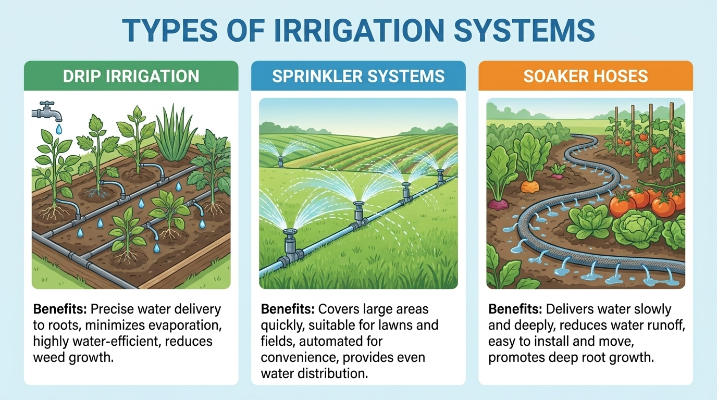
The Problem: Garden Irrigation Challenges
Irrigation can easily become a complex challenge for many gardeners, often leaving even the most experienced individuals perplexed. One prominent issue is overwatering, which, while it might seem innocuous, can result in severe consequences. Excessive water can suffocate roots and lead to rot, exposing plants to diseases that may spread uncontrollably throughout the garden. Imagine investing time and effort into a vibrant flower garden only to discover your beautiful blossoms wilting under the burden of too much moisture — such frustration is all too common.
Conversely, underwatering poses its own set of problems, causing drought stress in plants that are not receiving the crucial hydration they need to survive. Visualize waking up to find your once-lush foliage transformed into brown, crunchy leaves, a heartbreaking sight for any dedicated gardener. In exceptionally hot weather, the dangers are heightened; neglecting adequate watering can swiftly turn thriving plants into lifeless husks, robbing your garden of its vibrancy.
Further exacerbating these difficulties are inefficient irrigation systems that result in water waste, leading to higher utility bills. It is disheartening to see water escaping from areas that most require it, often due to design flaws in irrigation systems. All too commonly, gardeners invest in sophisticated systems only to discover they are misdirected, leaving large sections of their gardens dry and uninviting.
Additionally, understanding the unique needs of diverse plants located within various layouts is critical for success. A flourishing vegetable patch may require substantially more water than a resilient herb garden, making it essential for gardeners to strike a delicate balance in their irrigation efforts. Acknowledging these challenges will pave the way for formulating effective strategies that restore harmony and vitality to your landscape.
Tackling these irrigation challenges is not merely beneficial; it is essential for creating an environment where plants can thrive and flourish. Once you comprehend these hurdles, you can implement practical solutions that revitalize your gardening practices.
Understanding Your Garden's Needs
When designing an efficient garden irrigation system, it is crucial to consider several factors that influence your plants' water requirements. Varied plant species dictate differing needs; for example, succulents flourish in dry, arid conditions, while leafy greens thrive on consistent moisture. Recognizing these distinctions enables gardeners to develop targeted irrigation strategies tailored to their specific needs.
Soil composition significantly affects water retention and drainage as well. Sandy soils dry out quickly and often necessitate more frequent watering sessions, while clay soils retain moisture longer, reducing the frequency of irrigation. Accurately identifying your soil type is paramount for establishing a suitable watering schedule that meets your garden's demands.
Moreover, local climate conditions play an integral role in shaping your garden's irrigation needs, with hotter, drier climates often necessitating more frequent watering compared to their cooler counterparts. Assessing factors such as garden layout—considering sun exposure, shade, and the arrangement of different plants—is vital before selecting an appropriate irrigation system. Conducting this thorough analysis empowers gardeners to make informed choices tailored to their garden's unique requirements, ultimately resulting in a flourishing green space. For more efficient landscaping tips, check out these low-maintenance backyard and garden planning strategies.
Choosing the Right Irrigation Method
Selecting an appropriate irrigation technique is crucial for maintaining a vibrant garden that meets your plant's unique needs. Drip irrigation—an efficient method that utilizes a network of tubing to deliver water directly to plant roots—is exemplary for minimizing water waste while ensuring deep soil hydration. This method is particularly well-suited for vegetable plots or flower beds with diverse plant types.
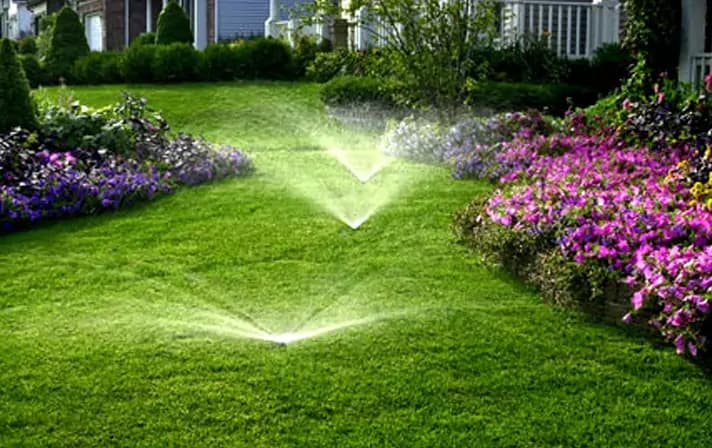
Sprinkler systems, meanwhile, offer versatility and ease of use, making them ideal for wider landscapes such as lawns. They effectively mimic natural rainfall but pose a risk of overwatering, especially in soil types like heavy clay that hold moisture for extended periods. Soaker hoses present another effective option, gradually seeping water through their porous material to adequately saturate the surrounding soil. They work exceptionally well in established planting areas or smaller gardens, effectively minimizing evaporation losses.
Innovative smart irrigation systems have recently emerged, making use of technology to enhance water efficiency. By automatically adjusting watering schedules based on real-time weather conditions and soil moisture levels, these systems are ideal for environmentally conscious gardeners striving to conserve water while promoting healthy plant growth. Understanding the strengths and ideal use cases for these various methods empowers gardeners to make judicious choices, leading to optimal irrigation success.
Implementing a Schedule: Timing is Key
Creating a well-structured watering schedule is crucial for maintaining plant health, with timing significantly impacting water usage efficiency. To minimize evaporation and ensure maximum absorption, it is advisable to water early in the morning or late in the evening. In the morning, plants can take advantage of water before midday heat, leading to enhanced hydration and reduced wastage. Alternatively, when watering in the evening, one must exercise caution as prolonged moisture on leaves can encourage fungal diseases.
Being observant about your plants’ hydration levels is important for optimizing your watering routine. Monitoring soil moisture and closely observing plant behavior will allow you to adjust your schedule according to seasonal changes and variations in weather patterns. Adopting a consistent yet adaptable approach will enhance the resilience of your garden and its overall potential for flourishing.
Engaging with your garden more frequently not only improves irrigation practices but also deepens the bond you share with your thriving landscape. If you enjoy a more relaxed approach to gardening, this guide on chaos gardening and the laid-back approach to planting is a great inspiration
Regular Maintenance: Keeping Your Systems Functional
Conducting regular maintenance on your irrigation system is paramount for ensuring optimal functionality. Start by routinely clearing blockages from filters and emitters to promote unimpeded water flow. Checking for leaks in hoses and connectors is equally important; even minor leaks can escalate into significant waste over time. Seasonal inspections should be a priority—checking your system before planting and after harvest will help identify any potential issues early, allowing for prompt interventions.
Investing time in routine maintenance does not merely promote sustainability and environmental conservation; it also saves you money on repairs and replacements. With minimal effort, you can ensure your irrigation system maintains peak performance, fostering a flourishing garden environment.
Sustainable Practices: Saving Water and Resources
In the pursuit of a sustainable garden, techniques such as rainwater harvesting and drip irrigation are essential. Collecting rainwater from rooftops and directing it into storage barrels allows gardeners to reduce their dependence on municipal water supplies. Coupling this practice with drip irrigation—which targets water directly at the plant roots—greatly minimizes evaporation losses and maximizes water use efficiency.
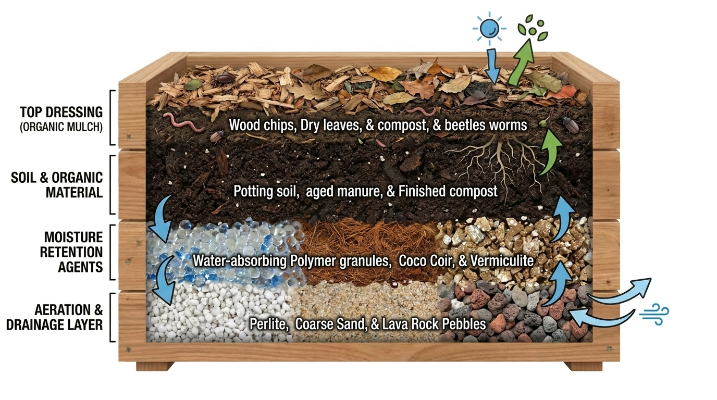
Incorporating additional strategies, such as mulching and planting ground cover crops, further aids in moisture retention. Mulch provides a protective layer that suppresses weed growth while effectively preserving soil moisture. Meanwhile, ground cover plants help prevent erosion and enhance soil health. Together, these sustainable practices contribute to a thriving garden ecosystem, illustrating that small modifications can yield significant ecological benefits.
A Journey Towards a Thriving Garden
Effective irrigation stands as the foundation of a vibrant gardening experience, guaranteeing that your plants receive just the right amount of water necessary for thriving. By understanding various irrigation methods, establishing a consistent watering routine, and implementing sustainable practices in your garden, you can significantly enhance its health and aesthetic appeal. Remember that gardening is an ongoing journey, filled with opportunities for learning and growth. As you experiment with these insights, exhibit patience and dedication, and you will cultivate a flourishing garden that reflects your passion and hard work. Happy gardening!