Embarking on a kitchen remodel is as thrilling as it is overwhelming for many homeowners. This space is often more than just a venue for meal preparation; it serves as the heart of the home—a locale where cherished memories take shape through shared meals and joyous gatherings. While the dream of a beautifully transformed kitchen can evoke joy, the path to achieving it can quickly become a stress-inducing and financially burdensome journey. Gaining a thorough comprehension of kitchen remodel costs is pivotal, as it prepares homeowners for the financial consequences associated with their dream spaces. Various factors, ranging from materials to labor, significantly impact your overall budget, potentially leading to unforeseen challenges. To mitigate financial strain, it is vital to approach renovations with clarity and a comprehensive understanding of expected expenses. By being informed and planning, you can navigate the intricate landscape of kitchen remodeling, ensuring that your investment augments your home while aligning with your financial objectives.
The Unexpected Costs of Kitchen Remodeling
Renovating your kitchen can be invigorating, yet it is frequently riddled with unforeseen costs that can disrupt your budget and amplify stress levels. Awareness of these hidden expenses and strategies to tackle them is essential for any homeowner embarking on this endeavor.
Hidden Expenses
One of the higher hidden costs in kitchen remodeling arises from plumbing and electrical work. For example, if the current plumbing setup does not correspond with your new layout, you will likely face extensive adjustments, which might incur expenses ranging from $1,000 to $5,000, depending on job complexity. Likewise, upgrades to your electrical system—needing rewiring for new appliances, additional outlets, or even a service upgrade—may come as an unexpected expense. Such hidden costs often catch homeowners off guard, bloating budgets and escalating stress levels as plans unexpectedly shift.
Additionally, the need for permits and inspections is commonly underestimated. When incorporated into your overall planning phase, these costs—potentially amounting to hundreds of dollars—should not be neglected, as they can add significant financial pressure later.
Scope Creep
Scope creep is a phenomenon that plagues many remodeling projects. It occurs when homeowners extend their plans beyond the original concept, often driven by the emotional allure of redesigning their spaces. Aiming for an aesthetically pleasing kitchen may inspire additional features and upgrades that were not part of the initial budget. A simple intention to install a new backsplash may evolve into selecting a custom tile design, installing new lighting fixtures, or upgrading appliances along the journey.
Such emotional choices frequently lead to alarming budget increases. Research indicates that homeowners experiencing scope creep typically expend about 20% more than their initial estimates. Consequently, this tendency can foster a cycle of stress; as the project evolves, so too do deadlines and expectations, leading to potential frustration. Thus, remaining grounded and committed to the original vision is crucial. Engaging in discussions with a professional can help manage both expectations and finances effectively, reducing overspending.
By acknowledging hidden costs and understanding the dangers of scope creep, homeowners can better prepare their kitchen remodeling projects, ensuring a more seamless and financially feasible experience.
For more inspiration, check out these easy and affordable kitchen decoration improvement ideas.
Breaking Down Kitchen Remodel Costs
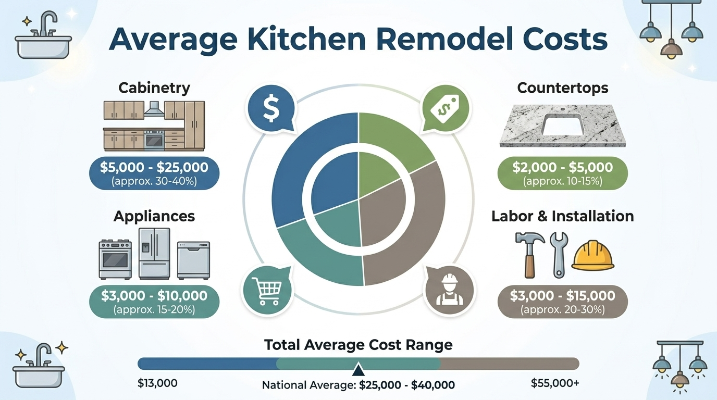
Estimating the total expense of a kitchen remodel can be a daunting task, especially for homeowners unfamiliar with all components involved. Generally, a complete kitchen remodel can range from $25,000 to $50,000, though this can fluctuate greatly based on various influencing factors.
Initial Cost Estimates
The principal costs in a kitchen remodel can be categorized into crucial areas:
- Cabinetry: This typically comprises the most substantial expense, accounting for roughly 30-40% of the overall remodel budget. Basic stock cabinets can start at about $100 per linear foot, while custom options can climb to $1,200 or more per linear foot. For instance, a mid-range kitchen fitted with custom cabinets might easily result in costs exceeding $15,000.
- Countertops: Your choice of countertop material heavily affects pricing. For instance, laminate countertops can be priced between $25 and $50 per square foot, while granite or quartz ranges from $75 to $175 per square foot. Opting for granite instead of laminate in a 50-square-foot space may raise your project costs by $2,500 to $7,500.
- Appliances: New appliances represent a notable increase in expenses. A full suite of mid-range appliances—including a refrigerator, dishwasher, oven, and microwave—can cost approximately $5,000 to $10,000, with high-end brands soaring above $15,000.
- Labor: Labor expenses generally constitute 20-35% of the total budget, influenced by local wage rates, the project's complexity, and whether you choose to hire a general contractor or individual tradespeople. For a medium-sized kitchen, labor costs can easily exceed $10,000 depending on the region.
- Permits: Local regulations concerning permits can also contribute to costs, typically ranging from $500 to $2,000. In cities like San Francisco, higher permit fees may apply due to stringent building codes.
These factors underscore the importance of both local market conditions and personal selections in determining kitchen remodel costs. In urban areas, homeowners may often pay a premium due to labor shortages and higher material costs, whereas rural areas might offer lower pricing. For example, a family undertaking a kitchen remodel in New York City may incur costs exceeding $75,000, whereas their counterparts in smaller towns may anticipate approximately $35,000 for a similar project.
Planning for the Unexpected
As you plan your kitchen remodel, it is vital to maintain some flexibility in your budget to accommodate unforeseen expenses. Hidden costs arise frequently during renovations, often due to issues like outdated wiring, plumbing complications, or unexpected structural surprises revealed once the work begins. Here are some proactive strategies to bolster your budgeting:
- Maintain a Contingency Fund: Setting aside 10-20% of your total budget for contingencies is generally advisable. For a kitchen remodel set at a budget of $40,000, this translates to an additional savings of $4,000 to $8,000. Such a cushion can ensure crucial financial flexibility throughout the project.
- Detailed Project Planning: Engage in comprehensive discussions with your contractor regarding every aspect of the remodel. Compiling an exhaustive list of all desired updates can help minimize surprises resulting from last-minute decisions, which may inadvertently drive costs higher.
- Maintain a Realistic Viewpoint: While remodeling excitement can lead homeowners to develop expansive dreams, it is imperative to balance that fervor with practicality. Recognizing that some design choices—particularly concerning layouts or custom cabinetry—may not fit within budget once you factor in potential hidden costs is critical.
Emotional Factors in Budgeting
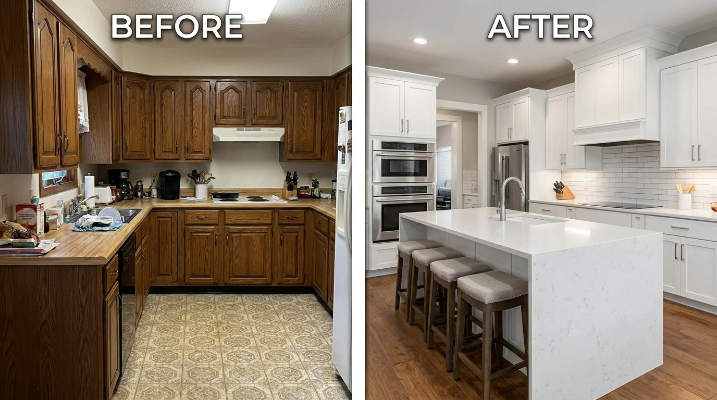
Emotional aspects intimately tied to kitchen remodeling also require consideration. Homeowners often make decisions based on personal attachments or nostalgic memories, resulting in heightened spending that may not necessarily yield returns on investment. Such emotional choices can surface through luxury upgrades or unique features that hold personal significance but strain practical budgeting. Keep the following perspectives in mind:
- Personal Attachment: Homeowners might be tempted to splurge significantly on items that evoke strong sentiments, such as a custom island reminiscent of a beloved grandparent’s kitchen. While fulfilling this nostalgic urge is worthwhile, it might lead to overspending if these high-cost elements lack resale value.
- Design Trends vs. Personal Style: The lure of current design trends—such as high-tech appliances or trendy open shelving—can be captivating. However, it remains crucial for buyers to ensure their selections resonate personally to avert later regrets.
Ultimately, emotional decisions can result in expenditures that, while meaningful, may not reflect increased home value. Balancing emotional desires with practical considerations is vital in ensuring that your remodel stays within budget while still capturing your unique style. You can explore more ideas for creating a bright kitchen atmosphere in this article about airy kitchen paint color selections.
Embracing the Remodeling Journey
Grasping the full landscape of kitchen remodel costs goes beyond mere calculations; it encompasses both monetary and emotional dimensions that significantly affect your project. Throughout this exploration, we’ve highlighted the necessity of informed budgeting to sidestep unexpected expenses capable of disrupting your plans. However, the true measure of a successful remodel transcends financial figures. It embodies embracing the transformative experience associated with such a significant home investment.
Entering your kitchen remodel equipped with a thoughtful strategy and an open mindset can alleviate stress and enhance enjoyment. Take a moment to envision not only the final product but also to celebrate the small milestones achieved throughout the process—from selecting your favorite tiles to seeing the walls come to life. Each of these moments contributes to crafting a personalized and functional kitchen space that mirrors your distinct identity.
As you embark on this exhilarating journey, remember to arm yourself with knowledge, remain adaptable, and cherish the experience. The path taken is just as vital as the outcome, and with proper planning, a remodel can provide years of enjoyment, transforming your home into a cherished sanctuary.