In today's urban environment, where property dimensions continue to shrink and greenery becomes a luxury, small gardens are emerging as an essential refuge for nature enthusiasts and design aficionados alike. These compact outdoor spaces not only offer a serene escape but also present a unique opportunity for inventive landscaping that capitalizes on minimal square footage. With mindful design strategies, even the most constrained areas can transform into a flourishing sanctuary that reflects individual tastes while serving functional purposes. This comprehensive guide will explore the challenges faced by small garden designers while providing pragmatic solutions to enhance both beauty and utility. Whether you aim to create an inviting atmosphere or optimize gardening potential, this article will enable you to master the craft of small garden design and cultivate a lush haven that brims with life and inspiration. If you want a stress-free outdoor space, this guide on low-maintenance garden ideas for busy homeowners is extremely helpful.
1. Understanding Common Problems in Small Garden Design
1.1 Limited Space
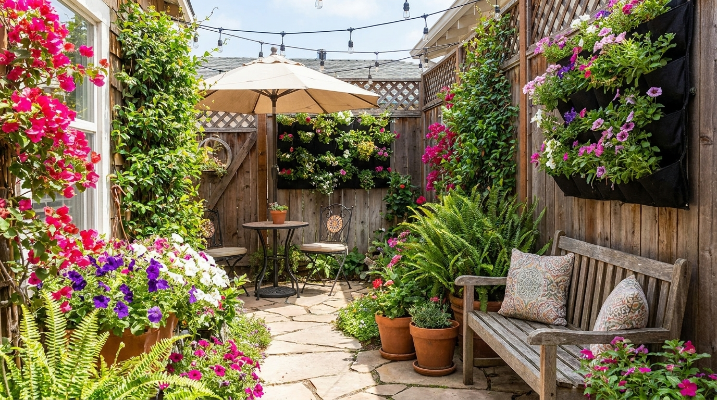
Encounters with confined areas can significantly hinder the aspiration of crafting a visually appealing garden. Homeowners often grapple with spatial limitations that curtail their ability to implement expansive designs. However, these same constraints can spark innovative approaches to garden design. Solutions such as the incorporation of vertical gardens, all-purpose furnishings, and tiered planting systems can effectively utilize every inch of the available area, creating dynamic, lively spaces. A survey conducted by the National Gardening Association revealed that a striking 48% of gardeners have successfully navigated space challenges by embracing vertical gardening techniques, thereby maximizing their limited environments.
1.2 Lack of Light
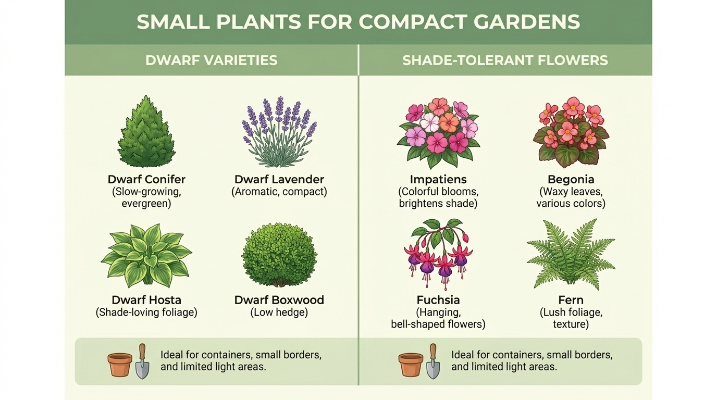
Light is a crucial ingredient in nurturing a flourishing garden, yet small spaces can frequently fall victim to shade cast by surrounding buildings or towering trees, leading to poor sunlight exposure. This lack of adequate lighting complicates the growth of various plant species. To cultivate a garden that thrives in these less illuminated settings, consider incorporating shade-tolerant flora, such as ferns and hostas, which are naturally adapted to grow under such conditions. Additionally, integrating reflective materials and utilizing lighter color palettes can amplify the brightness within shaded areas, effectively maximizing existing light. By employing these simple strategies, you can develop verdant ecosystems even in the dimmest corners of your garden.
1.3 Limited Budget
It’s a prevalent misconception that cultivating an enchanting garden requires substantial financial investment. In fact, stunning small garden designs can be accomplished on a shoestring budget. The use of native plants, which are generally more resilient and require less water, can dramatically reduce maintenance expenses. Moreover, engaging in DIY endeavors, such as constructing your own planters from upcycled materials or opting for seeds over seedlings, can significantly lower costs. Gardening experts consistently assert that a meticulously designed, budget-conscious garden can result in an appealing outdoor space without draining resources, highlighting that imagination and resourcefulness often outweigh monetary limitations in the gardening realm.
2. Explanation of Effective Small Garden Design Strategies
2.1 Maximizing Vertical Space
Enhancing vertical space is imperative when tackling small garden projects. Techniques such as installing trellises, utilizing wall-mounted planters, and incorporating climbing plants can vastly improve the visual appeal of your garden while promoting an illusion of depth. For example, trellises can support lively climbing plants like clematis or sweet peas, drawing visual attention upward and providing stunning seasonal displays. Furthermore, wall planters offer a creative flourish, allowing you to grow herbs or vibrant florals without competing for ground space. By incorporating these elements, you not only preserve precious floor space but also create a sense of vastness, enriching the overall visual narrative of your compact garden.
2.2 Choosing the Right Plants
Selecting the appropriate plants is fundamental to maintaining functionality and enhancing the aesthetics of your small garden. Opt for dwarf varieties, perennial herbs, and compact annuals that thrive even in limited areas. For instance, incorporating tiny tomato or pepper varieties will permit the cultivation of cherished edible plants without overcrowding. Likewise, pay careful attention to color schemes; vibrant, eye-catching blossoms can impart excitement, while softer, muted tones can foster a soothing ambiance. Mixing various leaf textures—such as the velvety foliage of lamb's ear paired with the delicate petals of cosmos—can also create intrigue, elevating the sensory richness of your small garden and enhancing its welcoming nature. For budget-friendly landscaping ideas, check out these affordable DIY raised garden bed design options.
2.3 Creating Zones and Layers
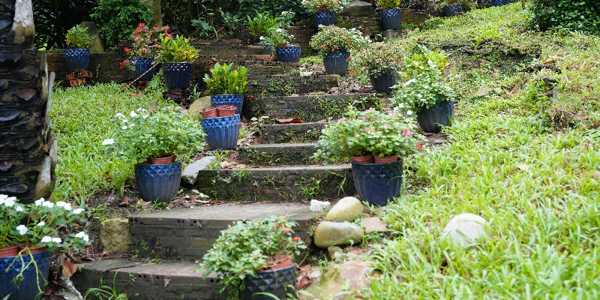
Creating defined zones within a small garden fosters organization and enhances usability, accommodating various activities from relaxation to play or dining. To achieve this layered effect, use a variety of plant heights and structures. Taller plants, like columnar junipers, can serve as a backdrop, while mid-height perennials, such as daylilies, offer softening features in the middle, complemented by low-growing ground covers like creeping thyme that finish the visual tableau. This strategic layering not only adds complexity but also ensures optimal light exposure for each plant. Additionally, incorporating pathways through these zones improves accessibility and encourages exploration, seamlessly linking different sections of your flourishing garden design.
2.4 Utilizing Hardscaping
In the realm of small garden design, hardscape features such as pathways, patios, and retaining walls are pivotal in shaping the overall environment. These structural elements provide not only the framework for movement but can also enhance the aesthetic cohesion of the garden. When integrating hardscaping, choose materials that harmonize with the garden’s theme; natural stone can impart a rustic essence, while sleek pavers exhibit a contemporary flair. Prioritize aesthetically pleasing yet practical pathways that are wide enough for comfortable movement and constructed from slip-resistant materials to ensure safety. Incorporating cozy seating areas makes the garden an inviting refuge. A well-curated hardscape should harmonize with plant displays to create a cohesive and functional outdoor space, perfectly extending your living area into nature.
Inviting Creativity into Your Garden Design
Revamping a small garden into an engaging outdoor setting presents an exciting challenge that inspires innovation and careful planning. By proactively addressing common issues, such as limited space and design constraints, you can implement creative strategies that enhance both functionality and aesthetic appeal. Embrace the opportunity to imbue your small garden with personal touches, utilizing vertical gardening concepts, selecting multifaceted plant types, and formulating thoughtful layouts. With a sprinkle of imagination and effort, your outdoor space can blossom into a tranquil retreat that embodies your individuality while providing a restorative escape from busy everyday life. Step outside, get your hands dirty, and watch your small garden visions flourish!