Replacing a roof is a significant decision that goes beyond aesthetics, involving substantial financial and emotional considerations. Homeowners must recognize that a new roof not only enhances the home's exterior but also symbolizes safety and security against the elements. Yet, embarking on this journey can feel overwhelming; understanding the associated costs is crucial to avoid unforeseen financial stress. Elements affecting costs can vary widely, and any lack of foresight could lead to unexpected burdens during this transformative process. A quality roof is essential, as it directly impacts the structural integrity and the tranquility of homeowners, which is why detailed knowledge of financial implications is imperative. Preparing for this change is about more than just selecting attractive shingles—it's about comprehending the costs involved and ensuring a smooth transition toward a safer, more comfortable home environment.
The Financial Burden of Roof Replacement
When the time comes for roof replacement, many homeowners often find themselves shocked by the emotional and financial impact of the decision. One of the most disheartening surprises can be the unexpected expenses that arise during the project. Consider Sarah, who begins her journey with a budget of $10,000 for her roof replacement. Midway through, significant structural damage hidden beneath the surface becomes apparent, including rotting rafters and deteriorating decking discovered during the tear-off phase. These issues add thousands of dollars to her total costs, starkly highlighting how easily a budget can be exceeded.
Such scenarios are common; many homeowners neglect to assess the true condition of their roofs until visible leaks or deterioration prompt action. When calling a contractor, the initial estimate often covers only materials and labor while neglecting hidden underlying problems. Sarah’s experience serves as a cautionary tale, illustrating how unforeseen damages can convert what should be a straightforward investment into a daunting financial struggle.
Additionally, the materials selected for the roofing can significantly influence final costs, with homeowners wishing to balance aesthetics and functionality. Take for instance John, who opts for premium slate tiles, hoping to enhance his home’s value. Unfortunately, he discovers that not only are slate tiles nearly double the cost of standard asphalt shingles, but their installation requires a specialized contractor, resulting in extra labor charges and delays on the project timeline.
Both Sarah and John experience the emotional weight of their financial decisions—anxiety over adding credit expenses, apprehension stemming from potential loans, and fear of sacrificing other family necessities. This burden extends beyond mere finances; it disrupts home life and generates profound stress.
Thus, understanding these scenarios better equips potential roofers for challenges during the replacement process, highlighting the importance of thorough inspections and budgeting for the unforeseen. By approaching the project with caution and knowledge, homeowners can mitigate the emotional and financial impact often associated with significant investments such as roof replacement.
What Influences Roof Replacement Costs?
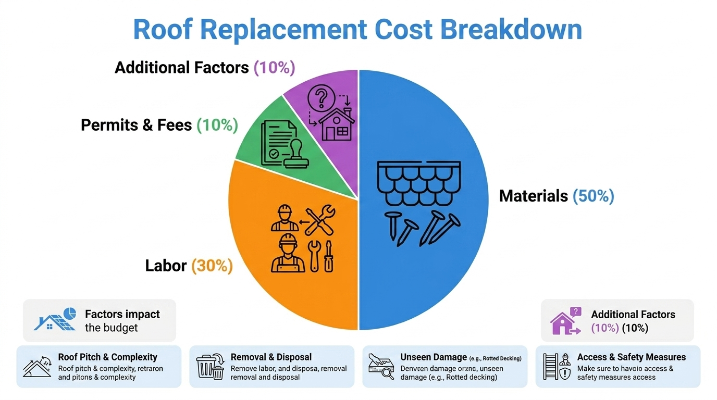
To effectively navigate the roof replacement journey, homeowners must comprehend the diverse factors that can influence costs. It's not solely about the materials selected; various additional elements also come into play that could potentially elevate expenses. This section will elucidate the primary components: materials, labor, and other costs that can substantially affect the budget of replacing a roof. Discover what homeowners actually pay with this guide to skylight installation costs in 2026 and beyond.
Materials
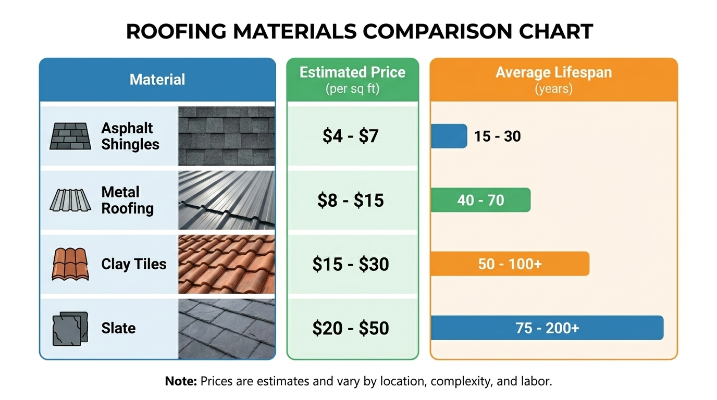
The selection of roofing materials represents one of the most critical cost factors in the roof replacement process. Asphalt shingles remain the most commonly utilized option, known for their affordability and straightforward installation. Typically, prices range from $90 to $100 per square, striking a favorable balance between durability and cost-effectiveness. However, these shingles require replacement every 20 to 30 years. Conversely, metal roofs have surged in popularity for their longevity and energy efficiency, with costs ranging from $300 to $700 per square. Although they represent a higher upfront cost, metal roofs can last as long as 50 years with proper maintenance, resulting in potential long-term energy savings. Another upscale choice is tile roofing, often constructed from clay or concrete. While tile roofs command $600 to $1,000 per square, they provide durability and energy efficiency; however, they can put a burden on the structural framework and necessitate installation by qualified professionals, potentially raising overall installation costs. Ultimately, the choice of material significantly shapes both the initial financial commitment and the prospective long-term advantages or drawbacks, depending on the homeowner's budget and aesthetic considerations.
Labor
Labor expenses form another pivotal factor influencing the total expenditure associated with roof replacement. The quality and expertise of the workforce can vary significantly, which directly affects the overall project budget. On average, labor costs can represent approximately 60% to 70% of total roofing expenses. Engaging experienced professionals can lead to higher hourly rates, typically ranging from $50 to $150 based on the job's complexity and location. While it may be enticing to select less experienced laborers for cost-saving, this may inadvertently lead to larger setbacks, such as mistakes that extend timelines and result in costly rework. For example, an experienced roofer assesses the foundation beneath the roof and addresses repairs beforehand, preventing unforeseen damage and subsequent expenses later on. Furthermore, skilled labor tends to ensure superior quality installations, frequently extending the lifespan of the roof. Consequently, although skilled labor incurs higher initial costs, they provide substantial value and peace of mind by mitigating potential issues caused by poor workmanship.
Additional Factors
In addition to materials and labor, several other aspects must be taken into account that may affect the total roof replacement cost. Homeowners should factor in local permitting and associated fees, which can fluctuate dramatically based on jurisdiction, potentially adding an extra $200 to $500 to the equation. The cost for waste disposal can also accumulate; for instance, large roofing projects might incur $300 to $700 for debris disposal, depending on the volume generated. Moreover, unexpected repairs—like uncovering underlying water damage or rot beneath existing roofing materials—can leave some homeowners facing unanticipated charges. Geographic location impacts base costs, reflecting regional pricing trends; areas with higher living costs frequently see elevated roofing prices. Additionally, considerations of local climate affect choices in roofing materials, as regions susceptible to severe weather may necessitate more durable options, inadvertently inflating costs. By understanding these additional factors, homeowners can better prepare and budget effectively for roof replacement—a significant investment in their property's safety and value.
Embracing the Journey of Roof Replacement
Being well-informed about costs related to roof replacement is of paramount importance for any homeowner. This proactive approach includes seeking various estimates from roofing specialists and diligently consulting with reputable professionals in the field. Ensuring a proper roof replacement not only safeguards your home’s integrity but also protects both your financial investment and your peace of mind. Enter this significant process with confidence, as being informed empowers you to make choices tailored to your specific needs and budget constraints. Thorough research and knowledge can lessen potential surprises and elevate the overall value and quality of your home. Don’t delay—initiate your first steps towards a secure, reliable roof today.