In today's fast-paced world, small gardens have emerged as cherished personal havens that offer not just a slice of nature but also spaces for relaxation and creativity. These small patches of green can be transformed into vibrant sanctuaries where the hustle and bustle of daily life is replaced by tranquility. The gentle sunlight illuminating colorful blossoms and aromatic herbs creates a setting ripe for rejuvenation. Notably, research shows that approximately 74% of individuals who engage in gardening report significant improvements in their emotional well-being, highlighting the connection between nature and mental health. Each leaf and flower contributes to a narrative of peace and inspiration, beckoning us to step outside, immerse ourselves in greenery, and unleash our inner creativity. In this article, we will explore how even the smallest outdoor spaces can cultivate immense peace and ignite a spark of creativity in your life.
Understanding the Essence of Small Gardens
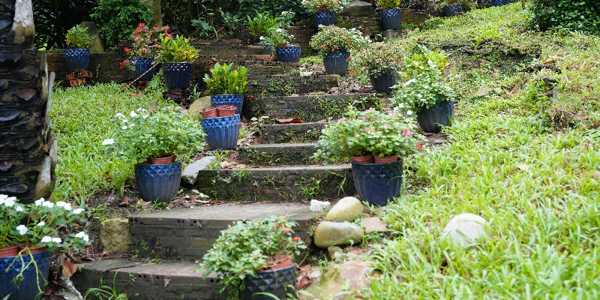
A small garden is typically defined by its compact dimensions, commonly found in urban settings or within limited backyards. However, these intimate spaces are far from restrictive; rather, they inspire innovative design solutions that maximize every inch while maintaining a visually appealing aesthetic. The constraints inherent in a small garden encourage creativity and inventiveness, leading to imaginative concepts like vertical gardens, tiered planting beds, and container gardening. Such approaches allow for vibrant displays of flora without the need for sprawling ground space, effectively transforming limited areas into lush, lively sanctuaries. You can explore more options in this article about finding local mosquito control treatments for your garden.
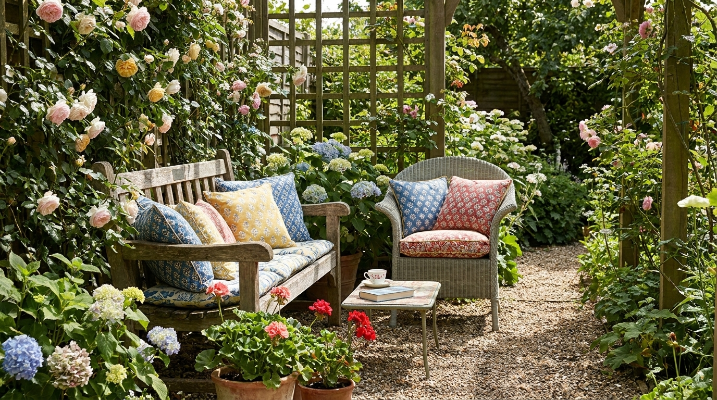
Emotionally, small gardens foster a profound connection to nature, generating peaceful environments that evoke tranquility and introspection. The sensory experiences offered by these spaces, such as the soft rustle of leaves and the fragrance of blooming flowers, enhance the feeling of being in a personal sanctuary. Consider a cozy seating nook enveloped by fragrant herbs and colorful flowers; in such a setting, the clamor of daily life fades away, allowing one to find solace in the splendor of nature.
Achieving a balance between functionality and beauty is essential in small gardens. Thoughtful design choices, like using multi-purpose furniture or incorporating natural materials, ensure that these spaces serve practical needs while also providing visual delight, making every small garden a unique haven that nourishes the soul.
Creating a Welcoming Entrance
A warm and inviting entrance can establish the ambiance of your small garden, transforming it into a personal oasis. Trellises and arches serve as fantastic focal points; they frame the entrance while also providing a support structure for climbing plants. A wrought iron archway draped with blooming roses or scented jasmine instantly infuses charm and an enchanting quality into the space. Alternatively, consider using wooden trellises to achieve a rustic feel, allowing climbing vines to create a lush canopy overhead, further inviting visitors in.
Gate designs also play a crucial role in creating an inviting atmosphere. A handcrafted wooden gate painted in vibrant shades can serve as a joyful welcome, while a sleek metal gate can impart a modern vibe. Incorporating intricate designs or cut-out patterns in wood or metal adds both aesthetic appeal and personal flair.
Surrounding the entrance with vibrant and aromatic plants can heighten the sensory experience. Lavender, with its calming scent and striking purple spikes, proves ideal for borders. Marigolds add cheerful splashes of orange and yellow, while peonies or lilies introduce bursts of color and delightful fragrances to greet visitors. Adding evergreen shrubs helps provide color year-round, ensuring that this welcoming entrance maintains its charm even in colder months.
Ultimately, a thoughtfully designed entrance featuring beautiful plants and well-chosen elements can transform your small garden into an inviting sanctuary for anyone who steps through its gates.
Layered Planting for Depth and Texture
Layered planting is a powerful technique that enhances the beauty and functionality of small gardens. By arranging plants of varying heights, textures, and colors, gardeners can create a captivating visual tapestry that adds depth and interest. Success in layered planting hinges on thoughtful plant selection, ensuring that each variety complements the others while elevating the garden's overall aesthetic.
For a dynamic backdrop, consider incorporating tall flowering plants like hollyhocks or delphiniums that can reach impressive heights, standing as bold focal points within the garden. In the mid-layer, plants like lavender or echinacea can introduce vibrant colors along with lovely scents. The front layer can be adorned with low-growing ground covers, such as creeping thyme or dwarf sedum, which not only add texture but also suppress weeds effectively.
Incorporating seasonal combinations can significantly enhance your garden's appeal throughout the year. For example, pairing autumn foliage plants like ornamental grasses with winter-blooming hellebores can ensure that your garden remains vibrant even during colder months. During summer, mix bright petunias and cheerful marigolds with lush ferns to create a lively atmosphere.
Plant care typically involves regular watering and monitoring light exposure. Deadheading spent blooms encourages new growth, while routine pruning helps maintain desired shapes and encourages healthy development. By adopting layered planting techniques, small gardens can evolve into rich, inviting spaces full of life and charm across every season. Explore how modern gardeners are adopting chaos gardening for easier and more sustainable outdoor spaces.
Utilizing Vertical Space
Vertical gardening has emerged as a revolutionary approach for maximizing small spaces, transforming ordinary walls into thriving green canvases. Wall planters, hanging pots, and vertical green walls can create vibrant gardens that not only conserve ground space but also enhance the visual appeal of your home. By strategically utilizing these vertical structures, gardeners can cultivate diverse, eye-catching landscapes right before their eyes, offering a refreshing escape from the mundane.
Climbing plants are ideal for these vertical installations. Varieties such as clematis, wisteria, and ivy can gracefully ascend trellises or wall-mounted containers, thereby enlivening any wall. When selecting climbing plants, consider local climate, sunlight availability, and desired maintenance levels. Opt for species that thrive under your specific conditions to ensure a flourishing garden.
Beyond climbing plants, elements like trellises or lattice provide supportive structures that encourage upward growth while allowing room for additional gardening favorites. To sustain climbing plants, be vigilant about their pruning and watering needs—this ensures their health and prevents overcrowding, thus fostering a flourishing vertical garden experience.
Building a vertical garden not only beautifies your home; it also introduces an added sense of serenity to your environment. With proper planning and execution, vertical gardening can transform even the most limited spaces into tranquil retreats that flourish with life and charm, enhancing your living experience.
Designing Cozy Corners in Your Garden
Creating inviting spots within your garden is an inspiring way to transform a small space into a serene retreat, providing opportunities for unwinding and connecting with nature. To design a cozy corner, begin by integrating benches or seating areas that harmonize with the surrounding greenery. Materials such as natural wood, wicker, or robust metal not only yield durability but also enhance the organic aesthetics of the garden. Choose furniture that reflects the simplicity of outdoor living, such as classic Adirondack chairs, rustic garden benches, or even a petite bistro set that invites intimate gatherings.
To add comfort and style, introduce cushions and soft throws in cheerful colors and patterns that harmonize with the plant life surrounding your seating area. This small addition makes the seating more inviting and personal, allowing you to express your unique style. For those on a budget, consider upcycling old furniture with a fresh coat of paint and some cozy textiles, allowing creativity to shine in your outdoor space.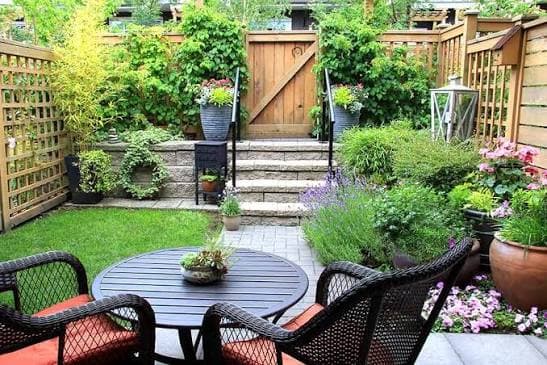
Don’t forget to embrace the surrounding nature—surround your seating area with flowering plants, hanging planters, or strategically placed garden lights that create an enchanting ambiance in the evenings. Regardless of your budget or space size, creating inviting, cozy corners can serve as a simple but transformative project encouraging relaxation and connection to nature in your very own backyard.
Discover the Beauty of Small Gardens
Ultimately, small garden ideas present a captivating blend of emotional enrichment and visual delight, providing tranquil retreats amidst life’s chaos. These charming spaces foster a unique bond with nature, encouraging creativity and personal expression. Instead of perceiving the limitations of small areas as obstacles, embrace them as opportunities for innovation and personalization. Allow your imagination to flourish as you craft a cozy, beautiful haven that reflects your essence. Begin your small garden transformation today, and experience the joy enveloped in every plant, flower, and whispering breeze that enriches your private sanctuary.