Decluttering is the process of removing unnecessary items from your home to create a more organized and functional living space. A room-by-room decluttering checklist can make the process easier by breaking a large task into manageable steps, helping homeowners decide what to keep, donate, store, or discard.
From bedrooms and kitchens to bathrooms and living areas, each space has different organization challenges. By following a structured approach, you can reduce clutter, improve daily routines, and create a home environment that is easier to maintain.
This guide provides practical decluttering steps for every major room, along with simple tips for organizing belongings and maintaining a cleaner space over time.
How to Start Decluttering: Preparation and First Steps
Preparing for decluttering is a pivotal initial step that can significantly enhance your experience and results. Begin by gathering essential materials to facilitate a smooth and efficient process. Here’s what you will need:
- Boxes for Donations: Clearly label boxes for items you intend to donate.
- Trash Bags: Have a few trash bags on hand for unusable or unneeded items.
- Cleaning Supplies: Equip yourself with core cleaning supplies, including multi-surface cleaners, microfiber cloths, and dusters to refresh spaces as you clear out items.
Before you dive into the physical work, concentrate on your mindset. Visualize the desired outcome—a serene, organized environment—and consider how beneficial that will feel. Set realistic goals; begin small, perhaps tackling a single drawer or shelf. This incremental approach cultivates confidence and builds momentum, paving the way for a successful decluttering session. By getting both mentally and physically prepared, you’re setting the groundwork for a gratifying decluttering journey.
How to Decide What to Keep, Donate, or Discard
Often, decluttering is confused with organizing, cleaning, and other related activities. However, each term refers to a unique process. Decluttering is about deciding what to keep and what to eliminate, while organizing involves systematically arranging your items. Cleaning removes dirt and grime, while donating and selling pertain to giving away or marketing items you no longer require. Recycling focuses on materials that can be repurposed, whereas disposing involves safely discarding waste materials, including hazardous items.
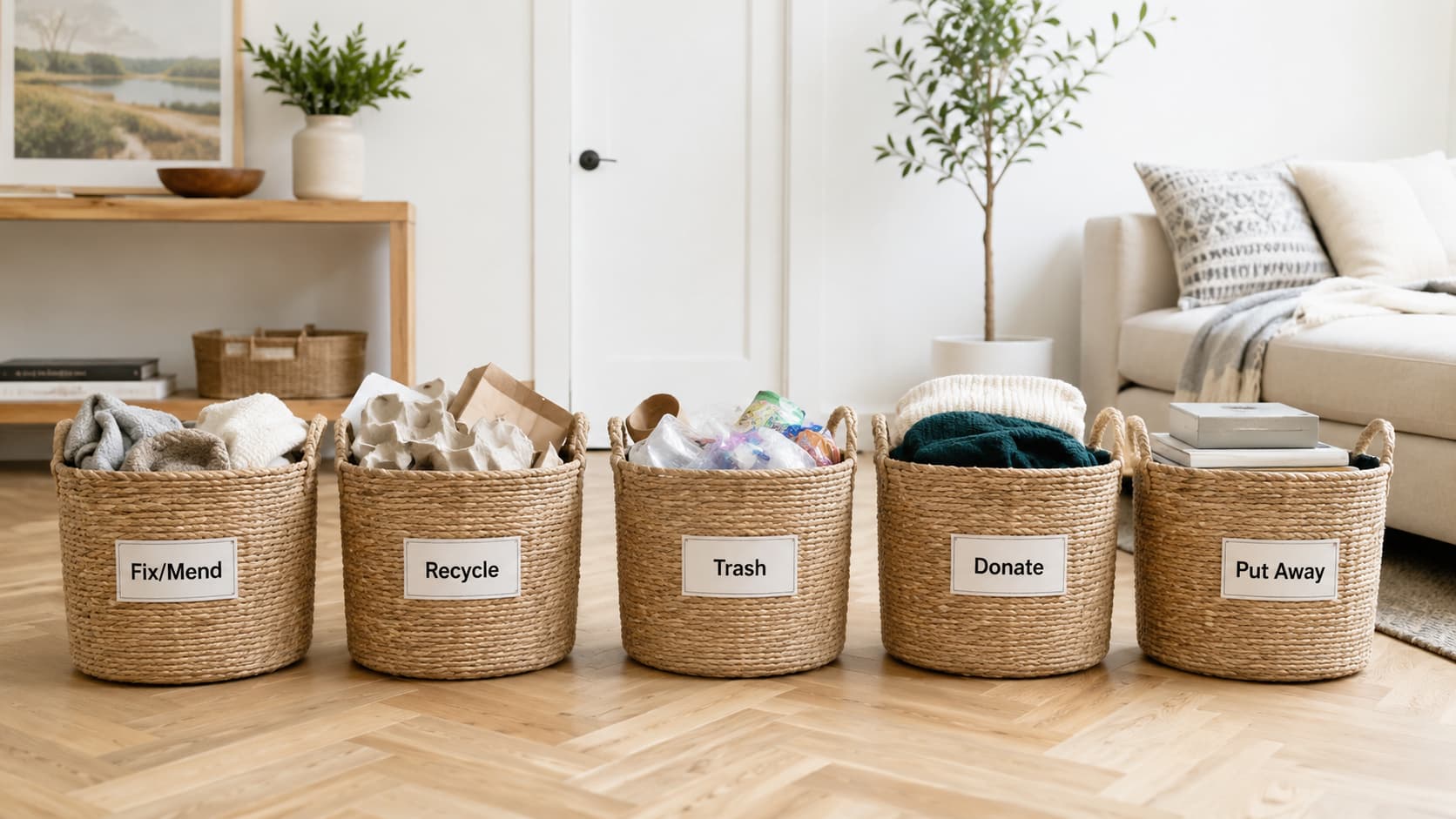
To declutter effectively, embrace a decision framework that incorporates:
- Keep: Retain items you often use and cherish.
- Relocate: Move items to a more suitable area in your home.
- Repair: Fix items that hold value but are currently non-operational.
- Donate: Give away items that others may find useful.
- Sell: Market valuable items to earn some profit.
- Recycle: Divert materials that can be repurposed.
- Discard: Dispose of items that are unusable or beyond repair.
- Handle Hazardous Waste: Properly dispose of toxic materials like batteries and electronics in accordance with local regulations.
Setting deadlines for items that remain undecided is vital. Create a timeframe, perhaps a month, to encourage timely decisions and prevent clutter from returning. By proactively managing your belongings, you can simplify your living space and promote a more organized environment.
Room-by-Room Checklist for Decluttering Your Home
Decluttering may initially seem daunting, but breaking it down into manageable tasks makes it far more approachable. Below is a comprehensive checklist to assist you in simplifying your living space, room by room.
Entryway
- Shoes: Sort through your footwear—donate pairs that don’t fit or are in disrepair.
- Jackets: Assess the jackets hanging in your entryway. Retain only those that you wear regularly.
- Mail: Create a designated area for incoming mail; shred or recycle any mail older than a week that you don’t need.
Living Room
- Books: Review your bookshelf; keep only those you plan to reread or reference and donate the rest.
- Decorations: Select a few key decorative pieces that reflect your personal style and consider donating excess items to clear visual clutter.
- Furniture: Evaluate each piece of furniture’s functionality and fit for your space. Sell or donate surplus items as necessary.
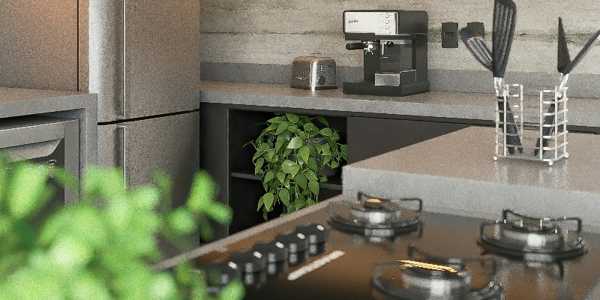
Kitchen and Pantry
- Utensils: Remove duplicates—keep only those that you use frequently.
- Appliances: If you haven’t utilized an appliance in the last year, consider parting with it.
- Expired Foods: Examine pantry items and fridge contents for expiration dates. Discard anything that is past its prime to make way for fresh provisions.
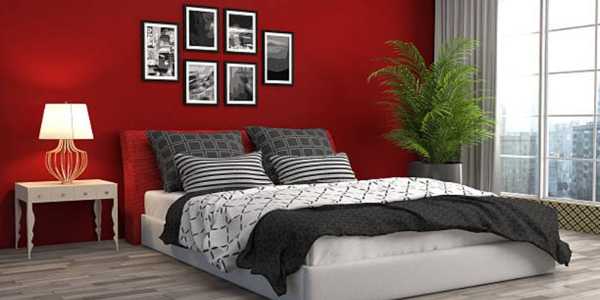
Bedrooms
- Clothes: Implement the “one in, one out” rule—donate an old item for every new one you acquire.
- Shoes: Evaluate your shoe collection; keep what you wear regularly and donate the excess.
- Personal Items: Clear nightstands and dressers of items that don't belong in the bedroom or hold sentimental value.
Closets
- Seasonal Clothing: Rotate clothing seasonally. As you do, evaluate each item for wearability.
- Unused Items: Identify items that haven’t been utilized in the past year and consider donating them. Utilize storage bins for seasonal pieces.
Bathrooms
- Expired Products: Regularly check for over-the-counter medications and toiletries that have expired; dispose of them properly.
- Towels: Review your towel collection—retain a few high-quality options and donate or discard the rest.
- Toiletries: Keep only what you actively use; throw away items that are nearing empty or that you haven’t utilized in months.
Home Office
- Papers: Shred sensitive documents you no longer need, and file away important papers meticulously.
- Supplies: Review your office supplies and keep only those necessary; donate excess items to local schools or charities.
- Electronics: Think about recycling outdated devices or cables that you no longer use, cleaning out your desk from unnecessary clutter.
Laundry Room
- Miscellaneous Items: Remove any items that don’t belong and designate areas for cleaning supplies and tools. Assess whether additional storage is needed.
Garage
- Tools: Evaluate your tool collection—retain only those you frequently use, and donate or discard duplicates or broken tools.
- Equipment: Organize sports and outdoor equipment with bins for easier access.
- Outdoor Items: Dispose of any hazardous waste and categorize similar items to achieve a tidy arrangement.
Basement
- Keep or Toss: Carefully evaluate each item; avoid being influenced by emotional attachments.
Attic
- Childhood Items: Reassess sentimental items; keep only those of significant importance.
- Important Documents: Store crucial documents in labeled bins for easy accessibility and organization.
By systematically addressing each room and adopting these actionable strategies, you transform not just your home but also foster a harmonious living environment. Remember, decluttering is a journey, and it’s perfectly fine to advance step by step toward achieving your goals!
How to Declutter Paperwork, Digital Files, and Sentimental Items
When it involves organizing documents, both paper and digital, employing strategic methods can yield significant benefits. Start by categorizing physical papers into labeled folders or boxes—bills, legal documents, and personal records—ensuring that essential items remain accessible while minimizing clutter. For digital files, leverage cloud storage solutions and organizing software to develop a clear folder structure; this leads to efficient access and simplifies digital decluttering.
Sentimental items can present a unique challenge, bearing emotional weight that complicates decision-making. To manage these possessions thoughtfully, assess their value realistically. Reflect on questions such as: Does this item evoke significant memories? Is it currently displayed or stored? If not, consider letting it go or capturing a photo of it instead. In cases of shared possessions, promote open discussions among involved parties. Set collective criteria for what to retain and establish storage solutions that honor everyone’s contributions to the memories attached to these items.
In summation, embracing structured techniques for managing both physical and digital documents and approaching sentimental items with care and dialogue can significantly simplify your living environment and improve your emotional well-being.
What to Do With Decluttered Items: Donate, Sell, Recycle, or Dispose
When it comes to disposing of items during your decluttering effort, explore the following options:
Donation: Gently used items such as clothing, furniture, and toys can be donated to local charities like Goodwill or Salvation Army. These organizations often offer drop-off points or pick-up services, benefitting your community and your conscience alike.
Sale: For items in good condition, consider hosting garage sales or utilizing online platforms like Facebook Marketplace or eBay. This not only aids in clearing space but can also provide some extra cash in your pocket.
Recycling and Hazardous Waste: Familiarize yourself with your local recycling protocols; this information is typically available on your city’s website. Hazardous waste, such as batteries and electronics, should be directed toward specialized drop-off facilities. Always seek out local resources to ensure responsible and sustainable decluttering practices.
Decluttering Tips for Different Homes and Lifestyles
Decluttering can be a formidable challenge, especially when the energy levels and schedules among family members vary widely. For successful collective efforts, approaching decluttering with flexibility is paramount. For those with condensed schedules, consider dedicating just 15 to 30 minutes each day to focus on small areas, like a single drawer or closet. This micro-task method keeps visibility high and mitigates feelings of overwhelm.
Engaging family members fosters a cooperative spirit. Organize group decluttering sessions where everyone contributes to sorting, donating, or discarding items together. Gamifying the experience—perhaps transforming it into a competition to see who can declutter the most items—can make the process more enjoyable for younger participants.
For renters, unique challenges may arise, including limited space and the necessity to minimize property damage. Focus on decluttering items that feel unnecessary for your present lifestyle, such as furniture or decorative pieces. If you’re moving, commence decluttering early; categorize belongings into ‘keep,’ ‘donate,’ and ‘discard.’ This streamlines the moving process while ensuring only what you truly need transitions into your new living space, facilitating a fresh start.
Decluttering Safety Tips and When to Get Professional Help
Your safety should always be your foremost concern during decluttering. Types of clutter that pose significant safety hazards include stacks of newspapers or boxes obstructing exits, loose cables generating tripping risks, and items obstructing crucial pathways. Furthermore, accumulating clutter can create unsanitary conditions that attract pests, consequently jeopardizing your home and well-being.
Recognizing when clutter becomes overwhelming is vital. If you struggle to navigate your living space or if the emotional burden of decluttering feels unmanageable, consider seeking professional assistance. Experts can offer both physical support and emotional guidance, aiding in transforming your space without compromising your safety or well-being. Remember, it’s perfectly acceptable to request help when the task feels beyond your control.
Maintenance Schedule
To maintain an organized home, introduce a structured maintenance schedule. Daily, allocate 10 minutes for tidying—return out-of-place items, and clear surfaces. Weekly, choose one area or category (like clothes or papers) to declutter for about 30 minutes. Each month, perform a more detailed evaluation; confront storage areas or closets, reassessing what stays versus what goes—aim to remove at least one significant item per month. Seasonally, carry out an in-depth inventory of your possessions; rotate seasonal items and donate anything unused over the prior months.
Stay motivated by establishing reminders and celebrating minor victories, such as completing a decluttering session. Over time, these habits will nurture a minimalist mindset, making it easier to maintain an organized home. Remember, decluttering is an ongoing journey toward simplicity.
Tips: Consider the “one in, one out” rule to control new additions and routinely revisit your decluttering objectives to guarantee they align with your evolving lifestyle.
Maintaining an Organized Home After Decluttering
Decluttering is not only about removing unnecessary items but also about creating systems that make your home easier to manage over time. After completing a room-by-room decluttering process, maintaining organization requires simple habits and regular reviews.
Start by creating routines that fit your lifestyle, such as returning items to designated places, reviewing belongings periodically, and addressing clutter before it builds up again. Small, consistent actions are often more effective than occasional large cleaning sessions.
Use your decluttering checklist as an ongoing guide:
- Identify areas where clutter frequently returns.
- Set small organizational goals instead of trying to change everything at once.
- Schedule regular decluttering sessions for different rooms.
- Create storage systems that make everyday items easier to access.
By maintaining these habits, you can keep your home more organized, functional, and comfortable long after the initial decluttering process is complete.