Transforming Your Space: Understanding Bathroom Renovation Costs
Bathroom renovations hold the power to transform one of the most essential spaces in a home into a personal sanctuary. This undertaking often involves an array of updates, including modernizing fixtures, refreshing tiling and paint, enhancing lighting, and improving functionality. Homeowners are motivated to renovate their bathrooms for numerous reasons: they may wish to breathe new life into outdated designs, optimize constrained spaces, or simply create a more tranquil haven in their home.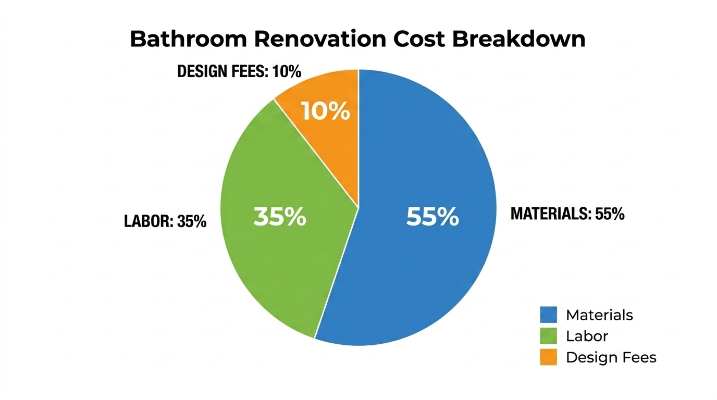
Beyond aesthetics, a thoughtfully executed renovation can significantly boost a home’s market value, solidifying its status as a wise investment. However, embarking on the path of bathroom transformation requires more than just visual upgrades; it necessitates a keen understanding of the associated costs. By familiarizing themselves with elements such as labor fees, materials, and hidden charges, homeowners can navigate their renovation journey wisely, making choices that align their visions with their financial realities. Armed with this knowledge, homeowners can strike a balance between aspiration and budget, leading to a gratifying renovation experience that does not compromise financial health.
In an era where personal spaces are increasingly valued for their reflection of individual style and practicality, grasping the financial implications of a bathroom renovation is pivotal to its success. If you want to stay ahead of design trends, explore these trending bathroom design styles that interior designers are loving right now.
The Problem: Navigating Hidden Costs of Bathroom Renovation
Bathroom renovations can spark excitement, filled with dreams of luxe fixtures and sleek designs. However, many homeowners are mistakenly led to believe that their renovations will strictly adhere to the initial budget they set. Often, they overlook unforeseen expenses that can cause significant budget overruns. For example, many fail to factor in necessary structural repairs, costs for permits, and unexpected issues that can arise during the renovation process.
The scale of the bathroom significantly influences overall expenses. While a small powder room might require less material and labor compared to a large master suite, it is essential to understand that it may still incur high costs based on material choices. One homeowner set out to renovate a compact bathroom but found expenses ballooning when they opted for luxury fixtures and high-end materials, surpassing their initial budget due to the premium finishes and specialized labor needed.
Additionally, the initial thrill surrounding renovation can overshadow careful budgeting. For instance, a family with a $10,000 budget ended up spending nearly $15,000 upon encountering unexpected plumbing complications, along with extra costs related to essential design changes that they could not ignore. Therefore, thoroughly evaluating potential costs—particularly those that lurk beneath the surface of seemingly straightforward renovation projects—is crucial for any successful transformation.
Explanation: Unpacking the Costs
To effectively plan a bathroom renovation, it is vital to break down the components of the associated expenses. Typically, costs can be divided into three primary categories: materials, labor, and design fees. Each category significantly contributes to the overall budget, guiding homeowners in their decision-making.
Understanding the Components of Cost: Higher quality materials lead often to higher upfront costs but can improve both durability and aesthetic appeal. For instance, ceramic tiles can vary from $0.50 to $10 per square foot, depending on both the quality and design. Key fixtures such as toilets, sinks, and vanities also exhibit a wide price range. A standard toilet might begin at $150, but high-end models can exceed $1,000, while vanities can start around $200 or soar to several thousand for custom options.
Labor: The labor expense typically occupies 20-35% of the entire renovation budget. Skilled professionals, including plumbers and electricians, are integral to installations, with charges that vary by region and expertise level.
Design Fees: Bringing in a designer can further elevate costs, often falling between $50 and $200 per hour. Nevertheless, their expertise can minimize errors and ensure an optimal layout, justifying the expense.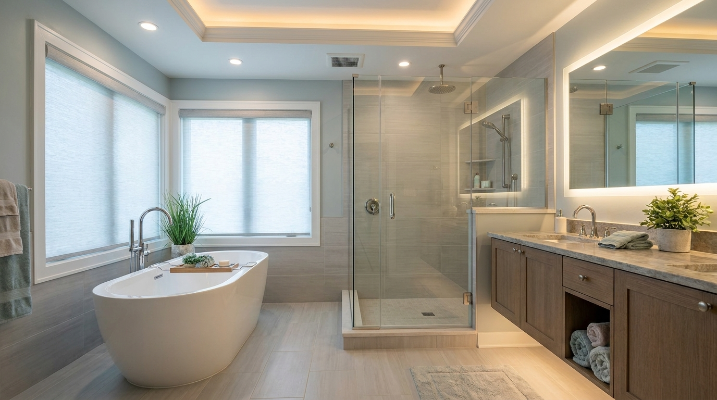
By understanding these cost components, homeowners are empowered to make informed decisions and establish a fine balance between quality and budgetary constraints.
Factors Influencing Overall Cost
When considering a bathroom renovation, several factors significantly affect the overall budget, such as the size and layout of the bathroom. Generally, larger bathrooms require more materials and labor, which translates to higher costs. Additionally, unique or unconventional layouts may necessitate complex plumbing modifications, thereby escalating budget requirements.
Proficiency in local market prices is essential, as costs can fluctuate between urban and rural settings. Urban areas often experience higher prices due to heightened demand and elevated living costs, while rural regions might provide more competitive pricing. This geographic difference highlights the importance of researching local contractors and comparing quotes to ensure a fair deal.
Moreover, the choice of contractor can greatly influence your renovation budget. While it may be tempting to select the cheapest option, skilled and experienced contractors might save you more money in the long run by preventing costly mistakes and ensuring quality workmanship. Opting for less experienced labor can lead to shortcuts that necessitate expensive repairs, which could ultimately inflate your investment.
Prioritizing quality over initial savings can bestow homeowners with peace of mind and satisfaction following their renovation.
Budgeting Wisely: Priorities in Renovation
When embarking on a bathroom renovation, prudent budget allocation is essential to harmonize needs with desires. Homeowners should begin by identifying essential elements—plumbing work, fixtures, and safety features—ensuring these necessities are prioritized within the budget.
Once the critical elements are secured, homeowners can then turn their attention to desired enhancements, such as high-end finishes or increased storage solutions. It is crucial to distinguish between indispensable needs and merely appealing luxuries, ensuring funding is allocated to the most vital aspects first.
Moreover, incorporating a contingency fund—typically recommended at 10-20% of the total renovation cost—can cushion the financial blow of unexpected expenses, be they from hidden mold or plumbing issues that arise during the renovation. By allocating expenditures thoughtfully and maintaining flexibility for surprise costs, homeowners can seamlessly navigate their bathroom renovation without undue financial pressure.For more structured guidance, check out this resource on bathroom remodel planning and preparation steps.
Estimating Labor Costs Effectively
As homeowners begin their bathroom renovations, navigating labor costs emerges as one of the most variable expenses. These rates tend to fluctuate based on geographical region; urban areas commonly experience elevated labor fees due to increased demand for proficient tradespeople. Conversely, rural regions may present lower costs, albeit with potentially limited availability of specialty contractors.
Numerous factors contribute to these labor rate variations, including the complexity of tasks, local regulations, and prevailing market conditions. Additionally, the project's timeline and intricacy can have substantial repercussions on labor costs. A simple renovation focusing on minor plumbing updates usually requires less time and expertise than extensive renovations encompassing electrical work or major structural adjustments.
Accurate estimation of labor expenses is crucial before initiating a renovation, as underestimated labor costs can severely disrupt budgets. Homeowners should conduct a rigorous analysis of the required labor to ensure a smooth renovation process, minimizing the likelihood of unwelcome surprises in their financial planning.
Common Pitfalls: Hidden Costs to Watch Out For
When diving into a bathroom renovation, homeowners frequently overlook vital factors that could disrupt their budget and timeline. A common blind spot lies in necessary plumbing updates; aging pipes may need replacement to avert leaks or inadequate water pressure, resulting in costs that can swiftly accumulate. Likewise, electrical alterations often go unnoticed, primarily when introducing new lighting fixtures or heated floors—upgrading outdated wiring to comply with modern standards can be both costly and time-consuming.
Additionally, unexpected challenges such as mold or water damage can rear their heads, especially in aged bathrooms. Concealed leaks may lead to severe mold growth, necessitating immediate remediation, which can endanger the overall renovation plan. Tackling such issues not only increases the budget but also prolongs the renovation timeline. Consequently, homeowners need to conduct thorough inspections and reserve a portion of their budget for contingencies to protect against these hidden costs that can transform a dream renovation into a financial strain.
The Value of Financial Insight in Bathroom Renovations
Understanding the costs intertwined with a bathroom renovation is indispensable for homeowners contemplating this enhancement project. Through careful examination of various elements—including materials, labor, necessary permits, and anticipated unforeseen charges—that determine the overall budget, homeowners can equip themselves for success. It is crucial to approach renovations with clear financial foresight, ensuring that design aspirations do not overshadow pivotal budget considerations. By adopting a conscientious and wise decision-making process, homeowners can curate a bathroom that echoes their personal style and meets their financial capabilities. Remember that thoughtful planning today is the key to avoiding costly surprises tomorrow.