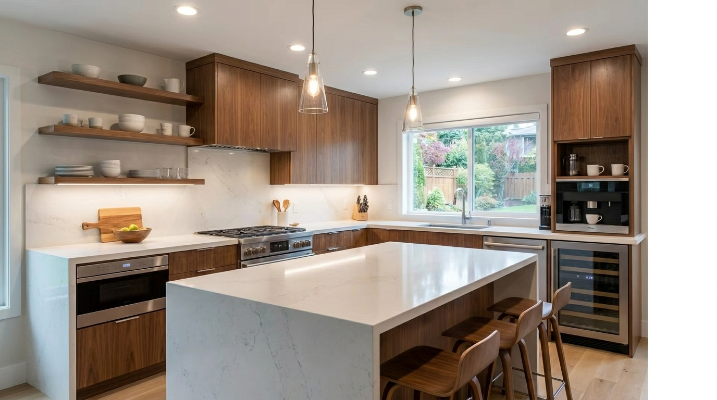
Kitchen designs encompass intentional arrangements of space and elements that harmoniously balance aesthetics with functionality. Choosing the right kitchen design profoundly impacts not only the visual appeal of a home but also its usability, making this selection crucial for homeowners. A well-designed kitchen can serve as the heart of a household, blending style with practicality, thereby transforming cooking and entertaining into delightful experiences. This article explores the best kitchen designs through a structured approach, guiding you to create a space that reflects your personal style while efficiently meeting your everyday needs.
Common Hurdles in Kitchen Design
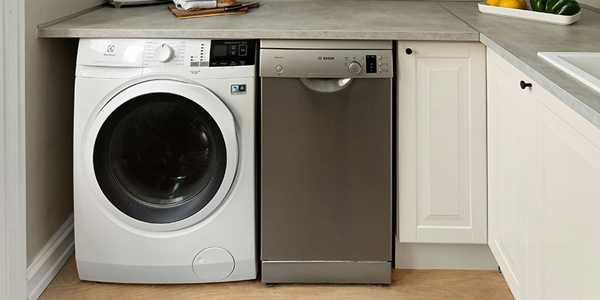
Designing a kitchen can dauntingly challenge for homeowners due to several common hurdles. One significant issue is maximizing space efficiently, particularly in smaller homes where every square foot counts. Many homeowners also face flow efficiency challenges; creating a kitchen that is visually appealing while serving as a functional area for meal preparation and social gatherings necessitates a careful layout. You don't need a full renovation to give your kitchen a fresh new look—small, budget-friendly décor updates can make a noticeable difference.
Moreover, the abundance of contemporary design options can lead to confusion and decision paralysis. With a wide array of styles, materials, and appliances, navigating a choice that aligns with personal tastes can feel overwhelming. A recent survey found nearly 60% of homeowners admit to being daunted by the sheer volume of options, which heightens the stress accompanying kitchen renovations.
Furthermore, the growing trend of multi-functional kitchens serves both culinary activities and social interaction. Homeowners increasingly desire designs that facilitate gatherings, blurring the lines between cooking and socializing. This demand for dual-purpose spaces necessitates thoughtful layouts, marking a pivotal evolution in kitchen design today.
A Systematic Approach to Kitchen Design
Creating your dream kitchen requires understanding its core components—layout, materials, and style elements. Each category plays a critical role in enhancing functionality and aesthetic appeal, ultimately contributing to the kitchen's overall atmosphere.
Layout
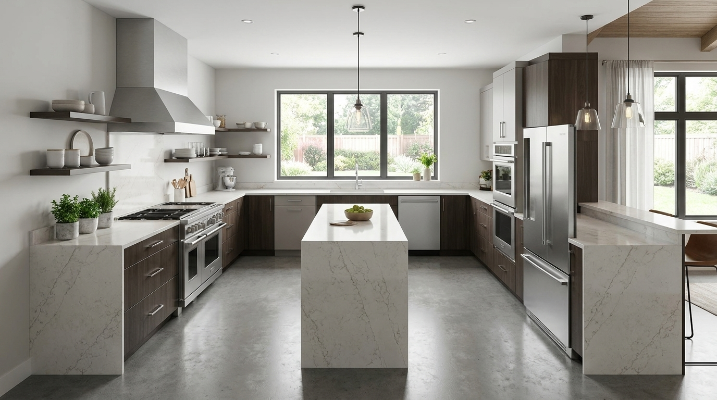
The layout is fundamental to a kitchen's effectiveness. Popular configurations include U-shaped, L-shaped, and galley layouts. The U-shape design provides ample counter space and storage, perfect for passionate cooks. Conversely, the L-shape layout allows for a more open ambiance, making it ideal for social interactions. Galley kitchens efficiently utilize space and maximize workflow in smaller areas, ensuring a seamless cooking experience. Whether you prioritize cooking efficiency or social connectivity, selecting the right layout will be pivotal to the overall functionality of your kitchen.
Material Selection
Material choice significantly influences both durability and aesthetic outcomes. Common materials comprise wood for cabinetry, laminate for countertops, and granite for flooring. Wood imparts a warm, timeless appeal, whereas laminate offers versatility and budget-friendliness. On the other hand, granite radiates luxury and resilience, making it a favored option in high-use kitchen areas. Therefore, carefully selecting materials ensures your kitchen withstands the demands of daily life while maintaining an inviting beauty.
Style Elements
Style elements, including modern, rustic, or minimalist choices, greatly impact the ambiance of your kitchen. A sleek modern aesthetic characterized by clean lines and neutral tones cultivates a sophisticated atmosphere, while rustic designs featuring reclaimed wood and earthy hues provide warmth and charm. Your stylistic choices convey your personality and forestall a disconnected vibe in the rest of your home, making this selection process vital to your overall satisfaction with your space.
Step-by-Step Guide to Crafting Your Ideal Kitchen Design
- Assess Your Needs
Begin your kitchen design journey by evaluating your cooking habits and lifestyle preferences. Are you a culinary enthusiast who enjoys experimenting with new recipes, or do you lean toward quick, convenient meals? Consider how often you entertain; frequent hosts may desire a more open layout to encourage social interaction. Reflect on whether you require kid-friendly features, such as safety elements or flexible spaces for homework and meals. Understanding your specific needs will guide your design choices, ensuring that the kitchen fulfills its intended purpose. - Choose a Layout
The layout greatly influences your kitchen's efficiency and movement. Analyze options such as the galley, L-shape, U-shape, and island configurations. While a galley kitchen maximizes space, it may feel constricted; L-shape designs promote openness but can compromise storage. The U-shaped layout creates ample counter space, though it might become crowded quickly. Conversely, an island layout acts as a multifunctional hub, yet adequate space is essential for comfortable navigation. Consider the pros and cons of each layout in light of your kitchen's dimensions and the functionality you seek. - Select Materials
Opting for appropriate materials is vital to achieving durability and beauty. For countertops, quartz offers resilience and low maintenance, while butcher block adds warmth. Cabinetry can feature solid wood for longevity or laminate for cost-effective choices. In terms of flooring, tile and vinyl are excellent for accommodating high foot traffic and spills. Pay attention to color schemes as well; neutral tones can create an inviting foundation, while strategic bursts of color enliven the atmosphere. Ensuring harmony between selected materials and colors contributes to a cohesive kitchen design. - Incorporate Style Elements
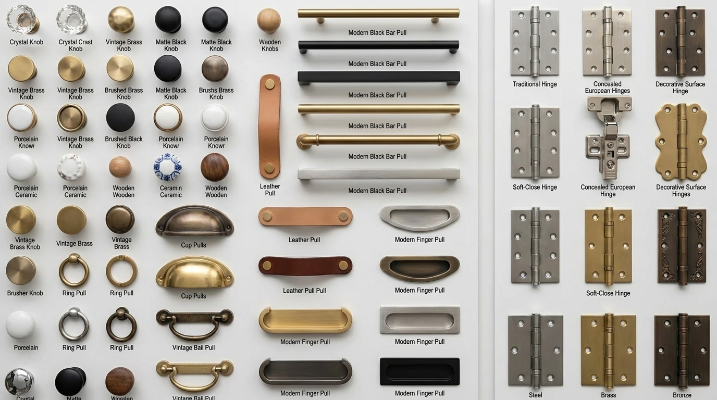
Tailor your kitchen by introducing style elements that align with your aesthetic preferences. Select hardware that complements cabinetry, whether opting for sleek modern handles or vintage knobs. Lighting plays a significant role in atmosphere; consider pendant lights above islands or ambient light fixtures for a warm glow. Striking a balance between modern trends and timeless designs safeguards against a fleeting kitchen style, preventing it from becoming outdated too quickly. Don't hesitate to combine varying textures and finishes; rustic wood with polished metals creates appealing contrasts that enrich character. - Trial and Modification
Once your kitchen reaches completion, remember that achieving the best design often necessitates trial and error. Be open to adjustments as you use the space; sometimes, what appeared ideal on paper doesn't yield the best results in practice. Analyze the functionality of your kitchen layout after preparing a few meals; you may discover that certain configurations could improve flow or efficiency. Embracing flexibility and a willingness to innovate will ensure your kitchen evolves into a space you adore.
Tools and Material Essentials for Your Kitchen Design
To execute your kitchen design seamlessly, equipping yourself with the right materials and tools is crucial for blending functionality with aesthetic appeal.
Planning Tools
Start with essential planning tools for visualizing your kitchen layout. Utilizing kitchen design software allows you to experience a virtual 3D model of your space prior to physical changes. An accurate tape measure is indispensable for securing precise measurements, ensuring each component fits perfectly into your kitchen. Lastly, sketching tools will help develop design ideas and draft layouts practically.
Construction Materials
When moving towards construction, the materials selected are vital for durability and appearance. Choose quality cabinetry, opting between the classic style of shaker designs or modern flat-panel options. Countertops present an additional opportunity to merge style with utility—elegant quartz conveys a contemporary feel while butcher block signals a homely vibe. Don't underestimate flooring options either; tile offers numerous styles along with durability, while hardwood brings warmth and an enduring aesthetic to your kitchen.
Finishing Accessories
Accessories complete your kitchen's character. Consider purposeful yet stylish lighting fixtures that enhance both functionality and ambiance. Careful hardware selection—such as knobs and handles—transforms cabinetry's appearance dramatically. Adding decor elements like plants or art pieces sparks personality and vibrancy in your space.
Local suppliers such as Home Depot or Lowe’s, alongside online platforms like Wayfair or Overstock, offer indispensable materials and tools for your project. Investing in superior selections promises that your kitchen remains both stunning and durable, a testimony to enduring craftsmanship.
Your Journey to a Dream Kitchen Starts Here
In this article, we’ve examined the ten best kitchen designs tailored to diverse needs and preferences, each offering a unique blend of beauty and functionality. As you embark on your kitchen design journey, we encourage you to employ the structured approach outlined within to create a space reflective of your lifestyle and taste. Remember the importance of key factors such as layout, color, and materials, as these will significantly influence your satisfaction with your new kitchen design. We’re eager to hear your thoughts or design questions, so don't hesitate to share your experiences as you work to bring your dream kitchen to reality!