Insulating windows is essential for improving energy efficiency and maintaining comfortable indoor temperatures throughout the year. Drafty windows and air leaks can lead to increased energy costs and reduced overall comfort in your living space. Identifying and addressing these issues early allows homeowners and renters to explore a range of effective, budget-friendly insulation solutions. There are various options available, from temporary fixes to permanent strategies, making it easier than ever to enhance window insulation and create a more energy-efficient home environment.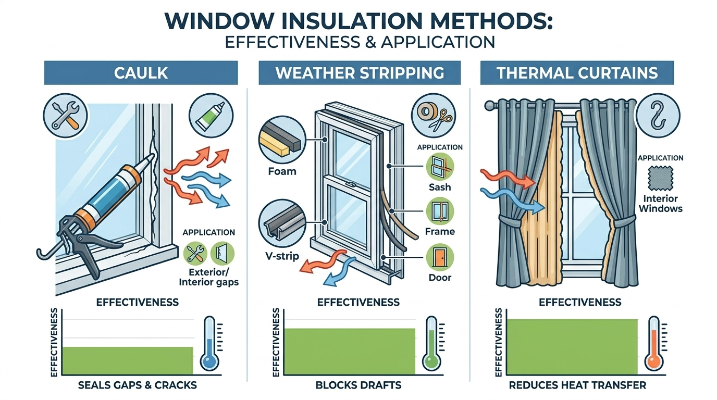
How to Identify Air Leaks and Window Problems in Your Home
Recognizing air leakage around window frames and sashes is vital for optimizing the energy efficiency of your home. Begin by identifying drafts; a simple method is running a lit candle or incense stick along the edges of your windows. Watch for any flickering in the flame or movement in the smoke, as this indicates potential air leaks, pinpointing areas that need attention.
Next, consider heat transfer through the glass itself. Poorly insulated windows can dramatically contribute to energy loss, resulting in higher heating and cooling costs. For instance, single-pane glass is significantly less effective at transferring heat than double or triple-pane windows, making an upgrade worthwhile for energy efficiency.
Condensation buildup on the interior side of windows may signal insufficient insulation. This occurs when warm air collides with cold surfaces, resulting in moisture formation that can lead to mold over time. Additionally, inspect for water intrusion around window frames, which can highlight a need for enhanced insulation. Regular monitoring of caulking and weather stripping is also crucial, as these elements play essential roles in preventing drafts and ensuring comfort. By addressing these concerns, you can significantly improve your home’s insulation effectiveness.
Best Window Insulation Methods to Reduce Drafts and Improve Efficiency
When it comes to window insulation, a variety of methods are available to suit different requirements and preferences. Below is a detailed comparison of popular insulation options based on essential criteria:
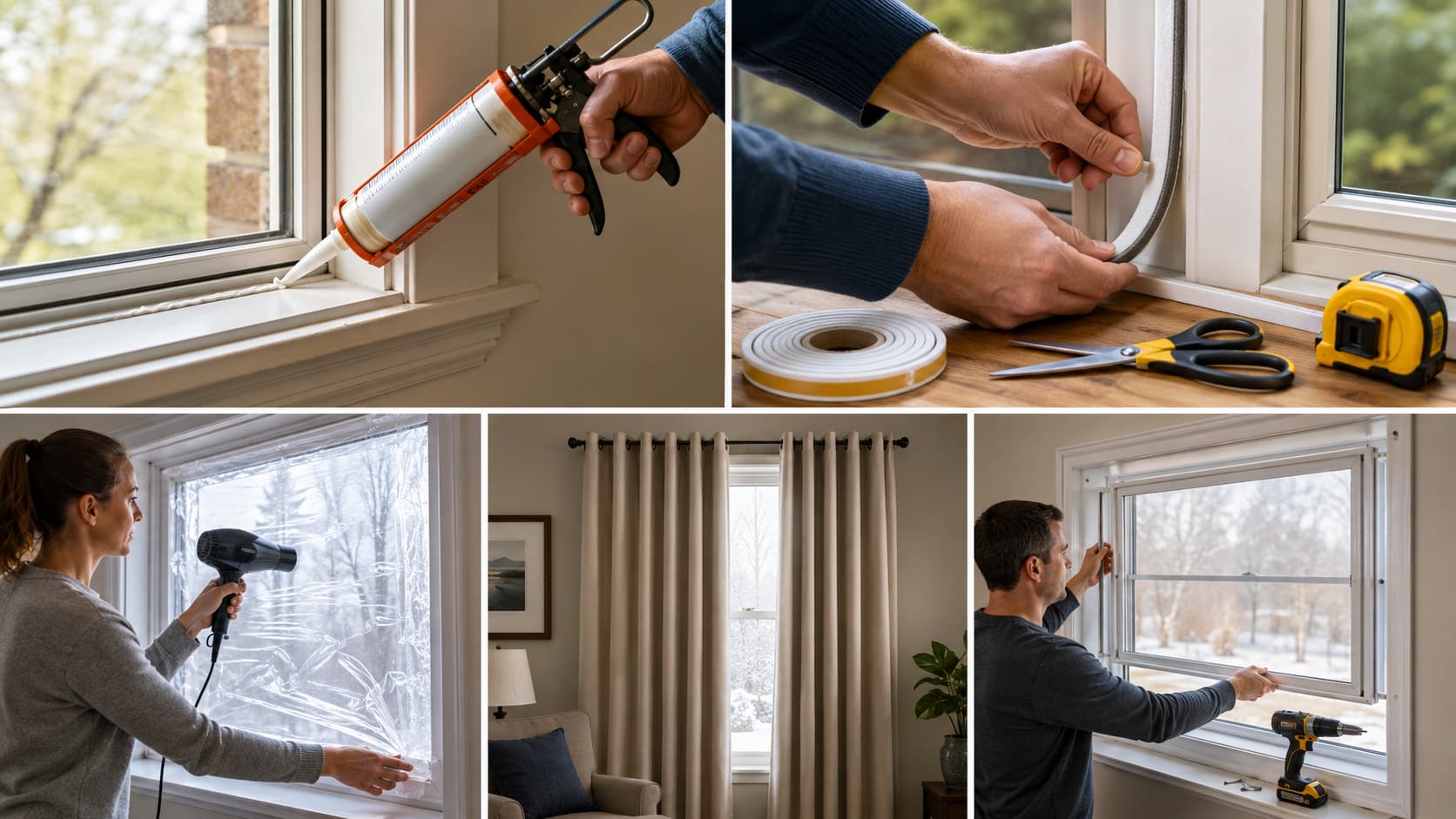
Each insulation method possesses distinct advantages and drawbacks. Caulk effectively seals gaps but may not be suitable for renters due to its permanence. Weatherstripping offers more flexibility for renters but may need periodic replacement. Shrink film serves as a fast fix for drafts with straightforward installation, though it might limit natural light. Thermal curtains add aesthetic flexibility but require additional space and do not eliminate drafts entirely. Finally, window inserts greatly enhance energy efficiency but require higher upfront investment and may complicate installation.
Ultimately, selecting the best insulation method often depends on individual needs, property type, and budget considerations, balancing practicality with effectiveness.
Tools, Materials, and Measurement Guidance
To effectively insulate your windows, having the appropriate tools and materials is critical. Here’s a checklist to assist you:
- Essential Tools:
- Measuring tape
- Utility knife
- Screwdriver
- Caulking gun
- Paintbrush or roller
- Safety goggles
- Ladder (if necessary)
- Materials Required:
- Window insulation film or kits
- Weather stripping
- Caulk
- Foam board or insulation panels
Measurement Guidelines:
To ensure a proper fit for your insulation, measure the height and width of each window frame at three different points—top, middle, and bottom for width, and left, middle, and right for height. Utilize the smallest measurements to determine the dimensions for insulation materials, accounting for any overlaps or extensions required for effective sealing.
Step-by-Step Instructions for Low-Cost and Renter-Friendly Methods
Insulating your windows can be low-cost and straightforward. Follow this simple guide to implement easy insulation solutions suitable for renters:
- Inspect Windows for Insulation Needs: Begin by examining your windows for drafts, condensation, or noticeable gaps to determine areas where insulation is most needed.
- Clean and Prepare Surfaces: Use a mild detergent and cloth to clean the window frames and sashes, ensuring surfaces are free from dust and grease to encourage better adhesion of insulation materials.
- Measure Windows Accurately: Measure the width and height of your windows. Document the dimensions to ensure you acquire the right amount of insulation materials.
- Installation Steps:
- Shrink Wrap: Cut the plastic shrink wrap to size, applying adhesive tape around the window frame. Place the plastic and use a hairdryer on low heat to shrink the material, smoothing out any wrinkles.
- Weather Stripping: Cut the weather stripping to length and press it firmly into place along the window frame to ensure a snug fit that seals air leaks.
- Testing Effectiveness Post-Installation: After completing your installation, check for any lingering drafts by feeling around the edges or using a lit candle to see if the flame flickers in response to airflow.
- Seasonal Removal and Maintenance Guides: For shrink wrap, carefully peel it off to avoid damaging the frames at the end of the season. Periodically check the weather stripping and replace any worn sections to maintain insulation effectiveness.
By following these steps, you can significantly enhance your home’s energy efficiency without incurring substantial expenses or violating rental agreements.
Mid-Budget Window Upgrades for Better Comfort and Efficiency
Insulated curtains and storm windows serve as excellent midrange insulation options that combine durability and effectiveness. Insulated curtains minimize heat loss by trapping air within their layered fabric, presenting a stylish approach to energy efficiency. Their straightforward installation appeals to both renters and homeowners, providing comfort without requiring hefty financial commitments.
In contrast, storm windows offer a stronger solution, acting as an additional barrier against harsh weather. These windows are engineered to withstand various climatic conditions, improving thermal performance and reducing noise pollution. For those considering lasting investments, complete window replacements present a professional-grade alternative. Premium windows, such as those filled with argon gas and featuring low-emissivity (Low-E) glass, can significantly curtail energy expenses over time while adding visual value to a home. Together, these options underscore the importance of integrating durability with energy efficiency in home improvement projects.
Safety, Egress, and Moisture Management
Maintaining the operability of windows and ensuring proper drainage paths is crucial in any home. Functional windows provide essential egress in emergencies and well-drained designs prevent moisture from accumulating, minimizing the risk of mold and structural damage. Homeowners should remain aware of lead paint risks, particularly in older properties constructed before 1978. Exposure to lead can pose serious health threats, especially to children, necessitating compliance with safety regulations regarding remediation and containment.
Additionally, proper ventilation through windows plays a vital role in sustaining healthy indoor air quality. It facilitates fresh air circulation and helps dissipate moisture, reducing potential respiratory issues and promoting a wholesome living environment. By addressing these safety aspects, homeowners can ensure their living spaces are secure, comfortable, and effectively insulated at the same time.
Maintenance, Performance Checks, and Professional Involvement
Regular maintenance and performance assessments of window insulation are integral to ensuring energy efficiency and comfort in your home. Begin by inspecting the caulking and weather stripping surrounding your windows at least twice annually, looking for cracks or signs of deterioration. Furthermore, evaluate the insulation's overall performance; if you feel drafts or notice fluctuating indoor temperatures, it may be necessary to reassess your insulation situation.
Be vigilant for signals indicating when professional help is required. For example, ongoing condensation between window panes, visible rot around the frames, or other signs of structural damage demand immediate action from a qualified expert. These problems not only undermine insulation effectiveness but can also lead to larger complications such as mold or sagging frames. Proactive care will ensure your window insulation remains reliable and efficient, maximizing your home's energy savings.
Choosing the Right Window Insulation Solution for Your Home
Improving window insulation is not only about reducing drafts but also about creating a more comfortable and efficient home. The right solution depends on the condition of your windows, the severity of air leaks, your budget, and whether you need a temporary improvement or a long-term upgrade.
Before starting a project, evaluate where heat loss occurs and compare available options, from simple fixes like weatherstripping and window film to larger improvements such as storm windows or replacement windows.
Keep these points in mind:
- Identify the main sources of drafts before choosing a solution.
- Select an insulation method that matches your budget and long-term goals.
- Consider durability and maintenance requirements.
- Seek professional advice for major window damage or complex upgrades.
With the right approach, improving window insulation can enhance indoor comfort, reduce energy waste, and help your home perform more efficiently over time.