In a world increasingly dominated by urbanity, where sprawling concrete and towering structures often overshadow the beauty of nature, vertical gardening emerges as a refreshing solution. This innovative approach allows urban dwellers to reconnect with the great outdoors, providing vibrant greenery without forfeiting valuable floor space. As living in apartments becomes the norm, the desire to integrate nature into our living environments intensifies. Vertical gardens not only enhance the aesthetic appeal of our homes but also offer a sanctuary that nurtures our mental well-being. By transforming walls, railings, and overlooked spaces, these creative gardens navigate the challenges posed by small spaces, allowing everyone—from seasoned horticulturalists to casual green thumbs—to embrace the lushness of nature. Exploring vertical gardening reveals how these living masterpieces can revitalize our surroundings and enrich our daily experiences.
The Challenge of Limited Gardening Spaces in Urban Living
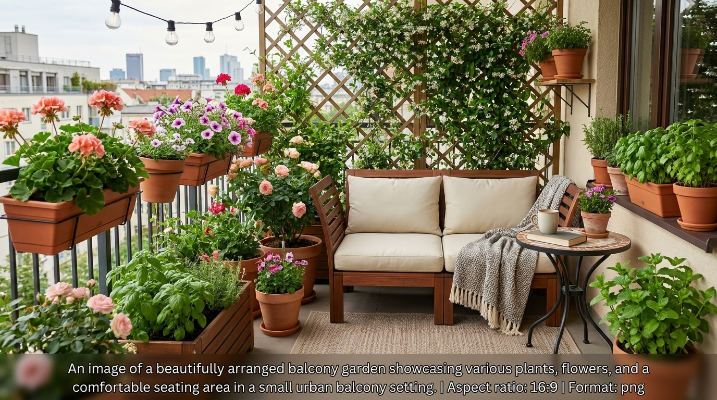
In the vibrant heart of urban life, where concrete skyscrapers dominate the skyline and green spaces often seem like fading memories, cultivating a thriving garden can feel like an unattainable dream. For many city residents confined to compact apartments or minuscule yards, the chance to engage with the beauty of gardening is frequently inhibited. The joy of seedlings breaking through the soil or the gentle rustle of leaves in the breeze can feel unachievable, lost amidst the overwhelming hustle of city life.
Indoor gardening enthusiasts face a distinct set of frustrations stemming from spatial limitations. Take, for example, a cherished fiddle-leaf fig squeezed awkwardly against a wall, or delicate succulents squabbling for light on a crowded windowsill barely large enough for their pots. Even the most dedicated urban gardeners, filled with passion and creativity, often encounter the constraints of their environment, yearning for the splendor of a verdant garden that their confined spaces simply cannot accommodate.
As these individuals curate their small sanctuaries within the chaos of urban life, they share a common emotional struggle—a deep longing to bring the tranquility of nature back into their existence. They fantasize about balconies adorned with cascading vines and colorful blooms, fostering a connection with the natural world that many others take for granted. This yearning beautifully captures the essence of metropolitan living, where the clash of convenience and confinement leads to the rise of innovative solutions like vertical gardening. These solutions pave the way to bridge the distance between urban life and the nature we all crave.
Understanding Vertical Gardening: A Space-Saving Solution
Vertical gardening is a transformative approach to cultivating plants that emphasizes space efficiency by utilizing vertical surfaces. This innovative method can manifest in various forms, including wall-mounted planters, trellises supporting climbing plants, and modular systems that can be tailored to diverse environments. Wall planters, for instance, are installed directly onto walls, creating a captivating, green backdrop that enlivens any area. Additionally, trellises allow climbing species to ascend in a vertically layered display, while modular systems consist of interchangeable units that provide an adaptable gardening solution for limited spaces.
The resurgence of vertical gardening in recent years is a testament to its popularity among urban dwellers and interior decorators alike. This revival is largely fueled by the pressing need to maximize space in densely populated areas. Vertical gardens offer more than aesthetic charm; they maximize functional utility by transforming bare walls into lively, green installations. The approach not only beautifies our living spaces but also contributes to creating a sustainable urban ecosystem, reminding us of nature’s intrinsic beauty even in the densest cityscapes.
The Many Benefits of Vertical Gardens
Vertical gardens provide a multitude of benefits that surpass merely enhancing a space's visual appeal. One of the most compelling advantages is their exceptional ability to maximize limited areas. In urban environments, where every square inch counts, these gardens convert plain walls into lush, inviting backdrops. This transformation can create lovely settings across homes, restaurants, and offices, allowing urban residents to enjoy the vibrancy of greenery without sacrificing floor space.
Additionally, the presence of plants improves indoor air quality by filtering pollutants and releasing oxygen—an essential aspect of maintaining a healthy living environment, especially where air circulation may be restricted. Importantly, vertical gardens can uplift the visual experience of indoor spaces, making them feel more alive and refreshing.
Moreover, gardening has been closely linked to psychological benefits, with research indicating its profound impact on mental health and stress alleviation. Engaging with plants can foster tranquility, providing a peaceful escape from the hustle of urban living. Additionally, vertical gardens encourage biodiversity by attracting urban wildlife, serving as critical habitats for bees, butterflies, and other pollinators—enhancing the ecological health of metropolitan areas.
Starting Your Vertical Gardening Adventure
Embarking on a vertical gardening journey can be both an exciting and fulfilling endeavor. For those new to the art, selecting the right plants is a crucial first step. Begin by assessing the climate and sunlight conditions—succulents and culinary herbs thrive with ample sunlight, while ferns and shade-loving varieties are more suitable for darker corners. Moreover, whether your vertical garden will be indoors or outdoors greatly influences the types of plants you can successfully cultivate.
Next, consider the materials and structures that will support your garden. Wooden frameworks provide a warm, natural aesthetic and are biodegradable, while metal frames impart a sleek, contemporary feel. Ecologically friendly materials such as recycled plastic or repurposed items are also gaining traction for their charm and sustainability. Additionally, modular systems offer flexibility and ease for beginners, enabling personalized designs without overwhelming complexity.
Thoughtful design is equally important. Visualizing the layout of your vertical garden is essential for achieving a balanced space that harmoniously combines plants with their supportive structures. Take into account wall height, spatial dimensions, and how sunlight moves across your design throughout the day—successful examples, such as living walls seen in urban cafes or residential homes, may inspire your layout, whether it's a rich tapestry of flowers or a simplistic, vibrant herb garden that adds convenience to your everyday cooking.
Ultimately, vertical gardening encourages the fusion of creativity and self-expression. Regardless of your plant choices—be it colorful flowers, hardy succulents, or edible plants—the journey of designing and nurturing your vertical garden can deepen your connection to nature while transforming your living environment.
Unleashing Your Creativity: Innovative Vertical Gardening Ideas
Vertical gardening serves as a unique and imaginative way to merge nature with our living spaces. Here are some inspiring ideas to ignite your vertical gardening journey:
Living Walls
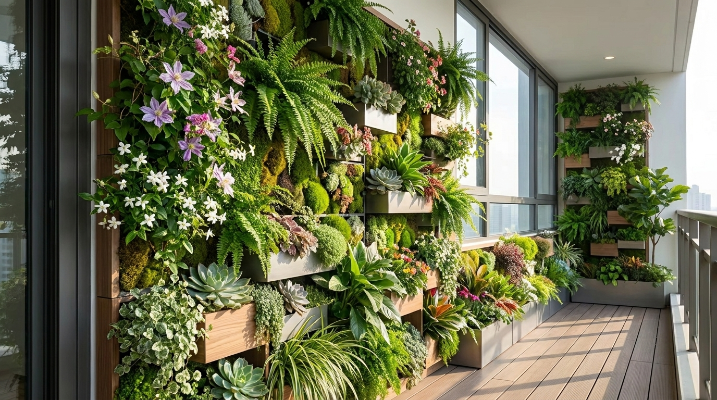
Imagine entering a room that features a stunning living wall—a vertical installation brimming with an array of plants, from lush ferns to vivid flowering species. These expansive wall mounts create a striking focal point, infusing life and color into otherwise dull areas. Beyond aesthetic enhancement, they improve air quality and absorb sound, making them ideal for urban settings where noise can be an issue.
Trellis Systems
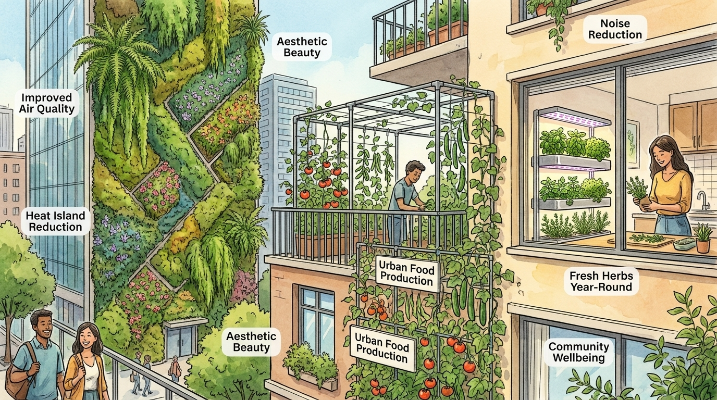
Outdoor areas can also reap the rewards of vertical gardening through elevating climbing plants. Installing trellis systems on building exteriors allows vines like jasmine or clematis to thrive while offering natural shade and privacy. These enchanting green facades don't just elevate the building's appearance; they also aid in regulating temperatures, creating cooler outdoor spaces during scorching heat.
Indoor Herb Gardens
For culinary enthusiasts, establishing a compact indoor herb garden in your kitchen or dining area is a wonderful option. By using vertical planters or wall-mounted containers, you can keep herbs like basil, mint, and rosemary easily accessible, while enveloping your space in delightful fragrances. This addition not only beautifies your kitchen but also fosters a healthy lifestyle through homegrown ingredients.
Budget-Friendly Gardening Solutions
Vertical gardening can also be economical! Upcycling everyday items such as pallets, old crates, or even plastic bottles can produce unique and stylish gardening arrangements. These eco-friendly projects offer a chance to recycle, crafting personalized structures that burst with greenery.
Embrace Seasonal Rotations
To keep your vertical garden vibrant and engaging, consider implementing seasonal plant rotations. This technique maintains visual interest and allows you to enjoy various blooms and foliage throughout the changing seasons. Transitioning your plants as the seasons shift will ensure your space remains a sanctuary all year round.
By exploring these creative ideas, you can transform your home into a verdant oasis, maximizing space while enriching your life with the beauty of nature.
Bringing Nature Home: The Power of Vertical Gardening
In essence, vertical gardens present a revolutionary solution to urban living challenges by enhancing our personal spaces and fostering connections with nature. By integrating greenery into our environments, we not only elevate aesthetics but also realize significant psychological benefits from our proximity to the natural world. Imagine your walls graced with vibrant foliage, crafting an oasis of tranquility right in your own home. This impactful addition inspires creativity and invites a deeper engagement with your surroundings. Consider the possibilities of vertical gardening and how these lush installations can elevate your living space into a perfect blend of nature and design.