A silent destroyer, termites pose a significant threat to homeowners, often going unnoticed until extensive damage has occurred. Once they invade your property, the financial repercussions can be staggering—repair costs can escalate into the thousands, jeopardising your investment.
Identifying Signs Of Termites In Your Home
Detecting a termite infestation early can prevent costly damage. Common signs include wood damage that manifests as hollow-sounding areas, signalling the presence of termites within. You may also observe tunnels or galleries in wood, indicating the paths these pests take.
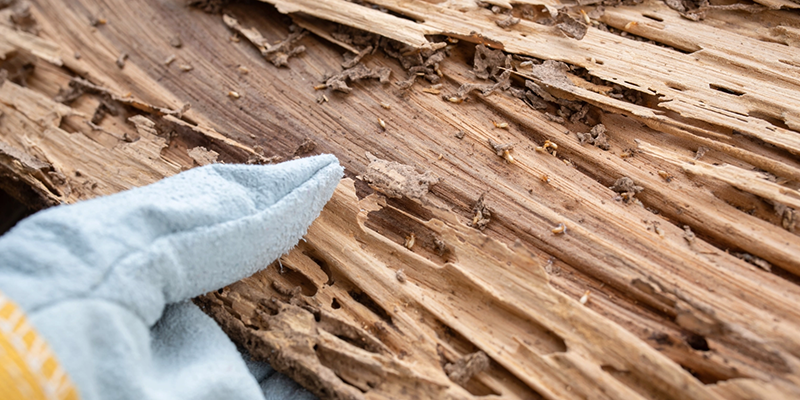
Look for mud tubes on exterior walls; these structures, composed of soil and saliva, serve as highways for subterranean termites thriving beneath the surface. Another notable indicator is frass—the droppings of termites, which resemble fine sawdust and are often found near infested areas.
Familiarise yourself with the types of termites. Subterranean termites, the most prevalent, typically nest in the soil, making them particularly challenging to detect until significant damage has transpired. Drywood termites, on the other hand, inhabit the very wood they consume, leading to potentially sudden infestations in dry, wooden structures. Lastly, Formosan termites, renowned for their aggressive nature and rapid population growth, can cause extensive damage in a remarkably short time.
Home Treatment Methods For Termite Control
Addressing termite infestations can seem overwhelming, but several DIY approaches can effectively manage minor issues.
Using Boric Acid
A widely used treatment method, boric acid is a natural compound. When applied precisely to the infected wood, it disrupts the termites' digestive process, ultimately eliminating them. For best results, ensure the boric acid is used as a powder to termite entry points and active areas; keeping it dry is crucial to its effectiveness.
Introducing Beneficial Nematodes
Another viable option is the introduction of beneficial nematodes—microscopic worms that enter termites' bodies and attack them, providing an environmentally safe alternative to chemical pesticides. Nematodes can be dispersed in the soil where they actively seek out and neutralise termite colonies.
Essential Oils
Essential oils, particularly those derived from orange or neem, are gaining traction as natural repellents. Their potent scents deter termites while contributing to a pleasant atmosphere in your home. Mixing these oils with water and spraying them around potential infestation zones can bolster your efforts.
Important Note: Home pest control often lacks the necessary penetration and coverage to eradicate large infestations completely, increasing the risk of recurrence. Failure to address underlying dampness issues can lead to future pest problems, wasting effort and resources. Therefore, while home pest control methods may be effective, homeowners should remain vigilant and may ultimately need to seek professional help for more severe infestations.
When To Call For Professional Pest Control Services
Homeowners should seek professional pest control services upon observing clear signs of a termite infestation. Signs such as mud tubes, discarded wings, and hollow-sounding wood typically suggest a larger underlying problem. In particular, if infestations are detected on a significant scale—characterised by numerous colonies or extensive areas of damaged wood—prompt action is required to prevent further harm. Ignoring these early warnings can lead to significant structural damage over time.
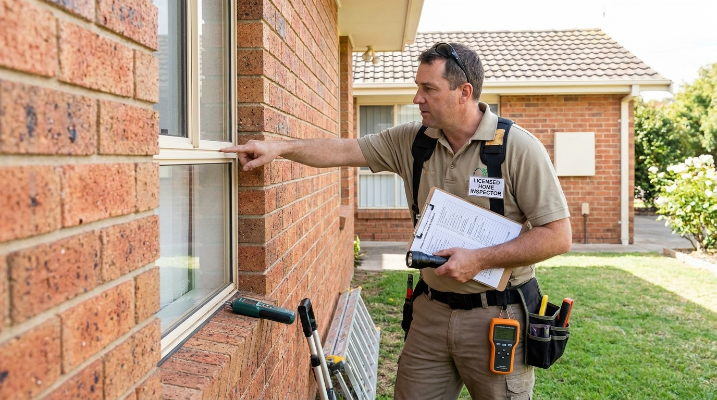
When engaging professional services, expect a thorough inspection. Technicians will evaluate both the interior and exterior of your home, meticulously scrutinising vulnerable areas where termites are prone to enter. Their findings will help define the severity and type of infestation, facilitating tailored treatment plans. Standard solutions include baiting systems, liquid treatments, and localised spot treatments, each customised to the specific situation at hand.
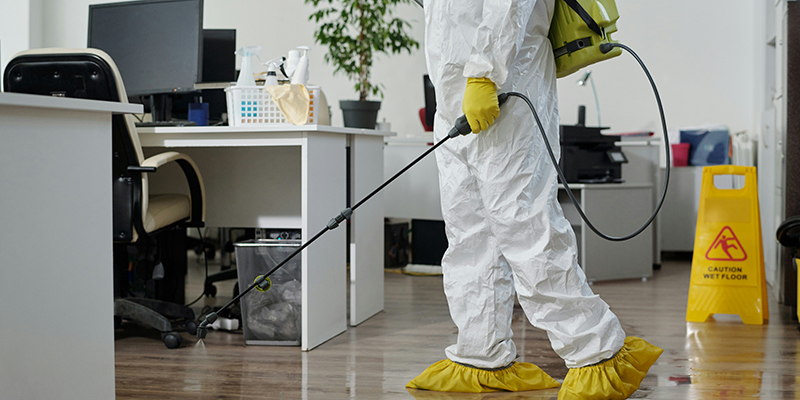
Professionals emphasise the importance of tailored approaches that evolve based on factors such as the age of the infestation and the construction materials used. For instance, older homes may require different strategies than newer builds. Beyond immediate extermination, the benefits of seeking professional help include follow-up services and preventative recommendations, ensuring continued protection against future infestations. Making the call to professionals not only secures your property but also offers peace of mind against recurring termite threats.
Understanding The Price Range For Termite Treatment
When facing termite infestations, many homeowners initially consider tackling the problem through self-treatment methods, which can be cost-effective if appropriately executed. Common materials such as liquid insecticides, foam treatments, and borate solutions typically range in price from $10 to $50 per gallon, with effectiveness largely contingent on precise application techniques and the severity of the infestation. Homeowners should also anticipate potential inspection fees, which generally average around $100. However, DIY methodologies may only partially mitigate entire colonies, leading to unforeseen costs over time due to a resurgence of the infestation.
As for professional termite treatments, costs can vary widely based on the chosen method and the extent of the infestation. Liquid treatment systems generally range from $300 to $1,500, contingent upon property size and infestation severity. Bait systems might cost homeowners between $1,200 and $3,000, including installation and ongoing monitoring. Regional differences and material types also influence pricing structures.
If left unmanaged, termite infestations can have severe long-term financial repercussions. Untreated infestations may compromise structural integrity, leading to repair costs that can escalate into the tens of thousands. Additionally, the long-term aspects of treatment should include proactive measures such as scheduled inspections and maintenance, which help mitigate recurring costs associated with infestations.
Being proactive about termite management not only safeguards the home but also preserves its value, making this a vital focus for homeowners.
Staying Informed And Proactive
There are various termite control solutions available on the market, each with varying costs and effectiveness. Homeowners must weigh the cost of termite control against the potential structural damage that termites can cause if left untreated. By staying vigilant and staying informed, people can effectively protect their homes from termites, ensuring their long-term safety and structural integrity. Taking proactive measures now can save significant time and money in the future.