A home inspection typically costs between $300 and $500, although the final price can vary depending on factors such as property size, location, inspection scope, and local market rates. Larger homes, older properties, or inspections that require additional services may cost more.
The total cost of a home inspection is influenced by the complexity of the property and the level of evaluation required. For example, a standard inspection for a smaller home may fall within the average range, while larger properties or specialized inspections may result in higher fees.
Before hiring an inspector, homebuyers should compare quotes from multiple professionals and confirm what services are included. Understanding inspection costs in advance helps buyers budget appropriately and make more informed decisions during the home purchase process.
Key Factors Affecting Home Inspection Fees
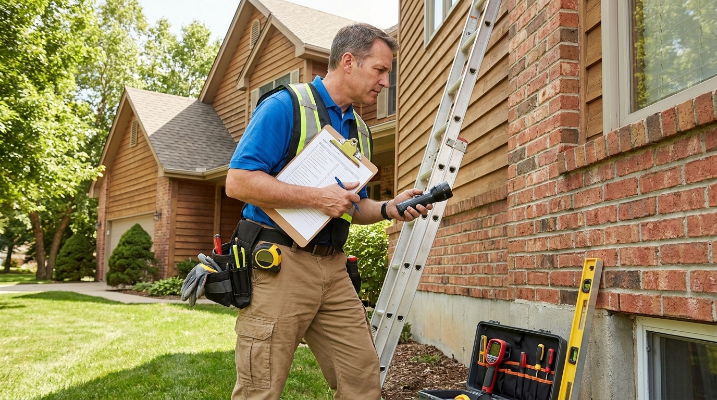
Understanding the factors that influence home inspection costs is vital for buyers and homeowners. Several key elements directly impact pricing structures:
Home Size and Type: The overall size and type of the home play a significant role in determining inspection fees. Larger homes generally incur higher costs because they require more time and effort to inspect thoroughly. For instance, evaluating a spacious single-family home can be notably more expensive than a small condo, as inspectors must navigate and assess more extensive areas with possibly additional equipment.
Age of the Property: Older homes often present unique challenges during the inspection process. Issues such as outdated electrical wiring or plumbing can demand more extensive evaluations, thus incurring higher inspection fees. The wear and tear on these systems in older properties can necessitate a more comprehensive approach.
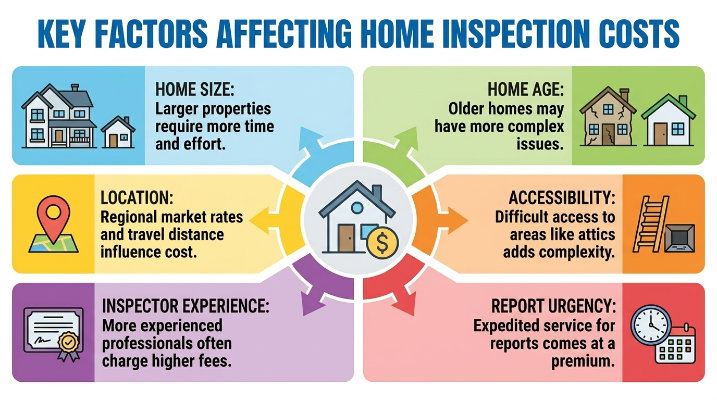
Location and Market Conditions: The geographical location of a property can significantly impact inspection prices. Urban centers with competitive housing markets often see higher fees due to the increased demand for inspections. In contrast, inspections in rural or less populous areas may be more affordable due to lower competition among inspectors.
Accessibility: Properties that are challenging to access, perhaps owing to difficult terrain or complex layouts, can result in added costs. In such cases, inspectors may need specialized tools or require more time to complete their assessment.
Inspector Expertise and Qualifications: The experience level and credentials of the inspector can also affect costs. Inspectors who hold advanced certifications or have extensive experience typically charge higher rates, reflecting their specialization and expertise.
Report Urgency: Should a homebuyer require a report quickly to meet a closing date, rush fees might be added to the total cost of the inspection, which can lead to higher expenses.
Specialized Add-Ons: Lastly, optional add-on services such as radon testing or pest inspections often increase the overall inspection charges. A base inspection focusing on structural elements might be less costly than one that includes additional environmental assessments or specialized testing.
By familiarizing themselves with these factors, buyers can better plan their home inspection budgets and ultimately make informed decisions throughout the home-buying journey.
What Does a Standard Home Inspection Include?
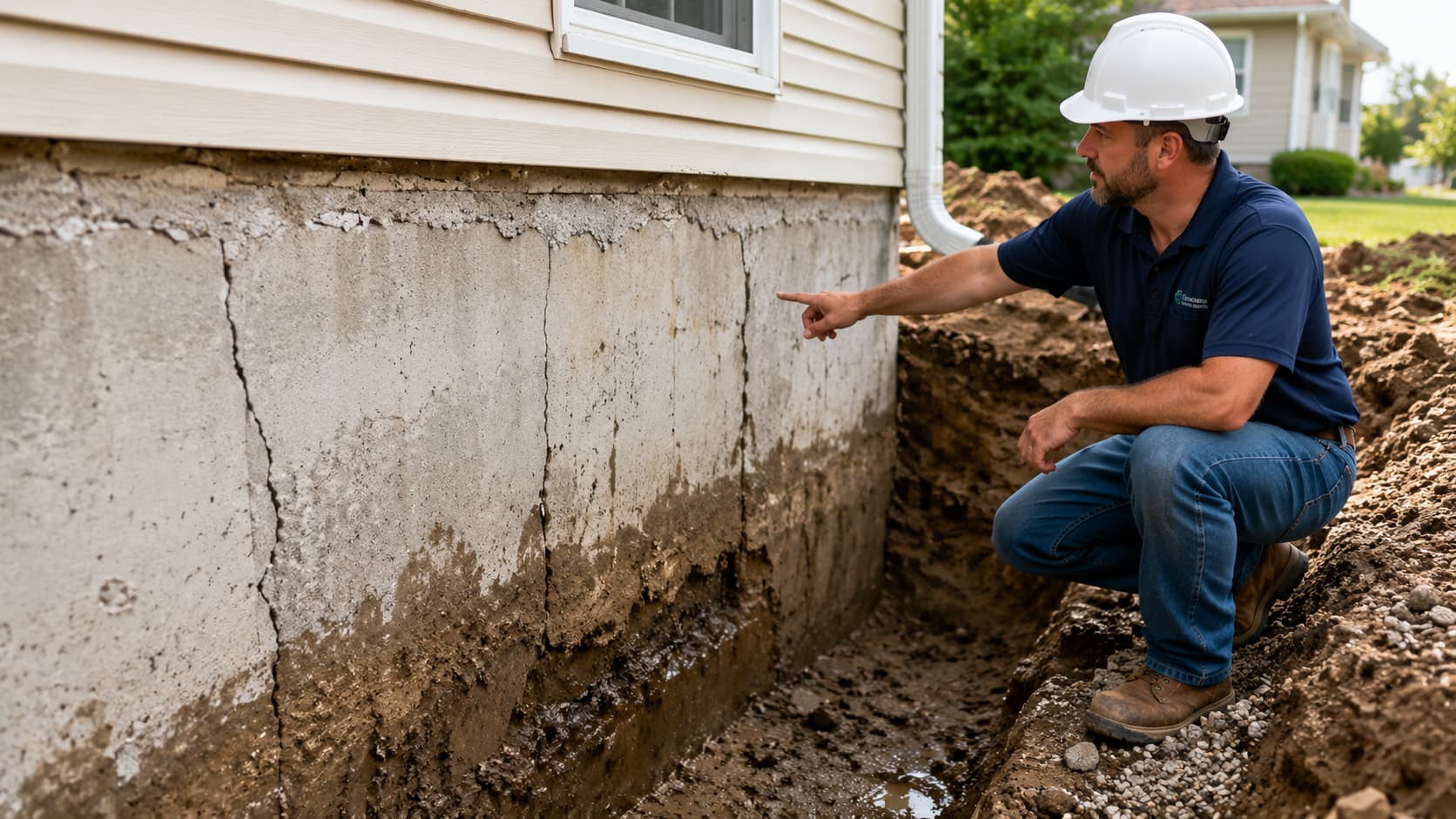
A standard home inspection, following the guidelines set by the American Society of Home Inspectors (ASHI), consists of a thorough visual assessment of a home's major systems and components. Key areas covered in this inspection include the structural integrity of essential elements such as the foundation, roofing, and walls. Assessing these components is crucial for ensuring the home's overall safety and stability. Inspectors delve into electrical systems to pinpoint potential hazards and examine plumbing systems for leaks or efficiency issues. Additionally, they evaluate vital safety features, including smoke detectors and carbon monoxide detectors, to confirm their proper functionality. Understanding the condition of these essential systems is paramount as they significantly contribute to both the safety and longevity of the home. By adhering to established standards, home inspectors provide invaluable insights that empower both homeowners and buyers in making informed decisions regarding necessary repairs or safety upgrades.
Common Exclusions and Add-ons in Inspections
While standard home inspections provide valuable evaluations, they typically exclude several critical assessments that can have significant implications for property conditions. Commonly excluded areas include structures hidden from sight, such as the insides of walls, attics, or inaccessible roof sections. Furthermore, standard inspections usually do not include specialized evaluations like radon testing, which assesses harmful gas levels, or sewer scope inspections, which inspect the condition of sewer lines. Assessments for mold, which address potential biological hazards, and inspections for pests are also characteristically excluded due to the requirement for specialized knowledge in these fields.
In addition, properties with septic tanks and wells require separate evaluations to avoid unexpected and costly repairs. Inspections for pools and chimneys are also essential for safety and maintenance, yet incur additional fees. For homes constructed prior to the 1970s, testing for lead and asbestos is often necessary to ensure safety, while foundation engineering assessments are vital for addressing specific structural concerns. Given the diverse nature of properties, homebuyers should consider these additional services seriously, as costs for add-ons typically range from $100 to $1,500, depending on the complexity and necessity of the inspection involved. Understanding what is excluded from standard inspections is critical for making informed decisions during the home-buying process.
What a Home Inspection Does Not Include: Additional Tests and Services
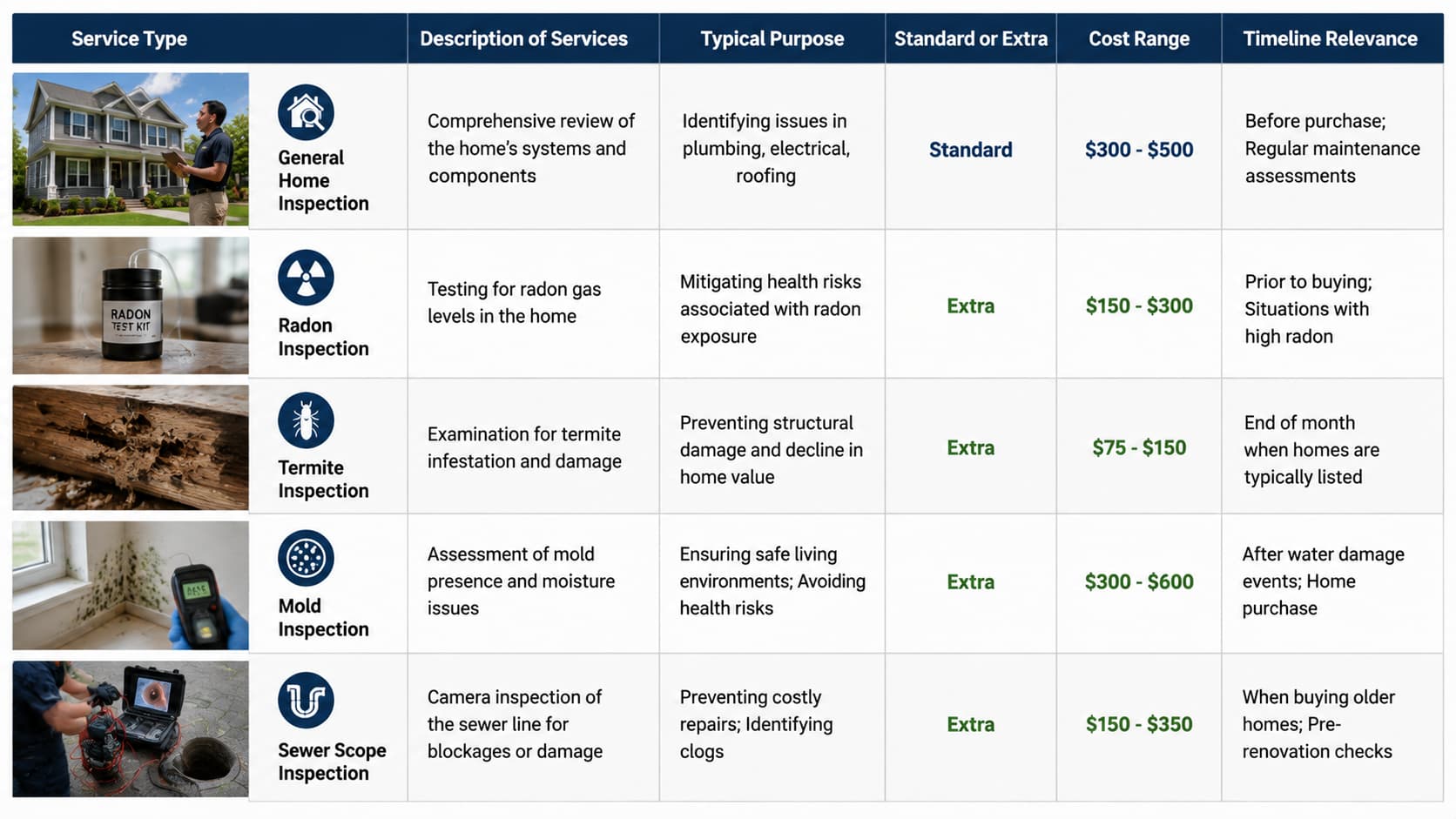
The above table outlines various services associated with home inspections, differentiating between general inspections and specialty services. Standard home inspections encompass a broad assessment of the property's state, while specialty services address more specific concerns that may arise, such as prior water damage or pest worries. Understanding these distinctions allows buyers and homeowners to allocate their budget effectively for additional inspections beyond the base service, thus ensuring thorough assessments and better-informed decision-making in their real estate endeavors. Statistics reveal that approximately 86% of buyers perceive specialized inspections as valuable for avoiding future repair costs, emphasizing the importance of evaluating all potential issues within a property before finalizing any purchase.
Home Inspection vs Other Property Evaluations: Key Differences
Home inspections stand apart from appraisals, code checks, and engineering reviews, each serving distinct purposes and providing unique insights. A home inspection focuses on assessing a property's physical condition by identifying potential problems such as structural flaws, plumbing leaks, or electrical faults—information that helps buyers understand the home’s overall health and safety.
Conversely, an appraisal determines the market value of a property, often required by lenders during the mortgage process to ensure that the sale price aligns with the home’s worth. A code check evaluates a property’s compliance with local building codes, which serve to uphold safety and legality standards. Meanwhile, an engineering review typically involves a specialized analysis conducted by a licensed engineer targeting specific structural concerns.
Despite their overlap, these services do not serve as substitutes for one another. Each plays an integral role in providing a comprehensive picture of a property's condition and value during the buying process.
How to Choose a Home Inspector and Prepare for the Inspection
Choosing a qualified home inspector is vital for ensuring a complete and thorough evaluation of your potential home. Here are practical steps to help you make the right choice:
- Check Credentials and Experience: Look for licensed inspectors with relevant experience. Verify their qualifications and membership in professional organizations to ensure reliability.
- Verify Insurance and Independence: Ensure the inspector has liability insurance and is independent from real estate agents to avoid potential conflicts of interest.
- Request Sample Reports: Ask for examples of previous inspection reports to evaluate the clarity, detail, and thoroughness of their assessments.
- Prepare a List of Questions: Compile a list of inquiries for potential inspectors regarding their methodologies, areas of focus, and how they handle various findings.
By taking the time to prepare adequately and ask pertinent questions, you increase the likelihood of finding a qualified inspector who can meet your needs effectively.
Home Inspection Limitations and State-Specific Requirements
While home inspections play a crucial role in evaluating property conditions, it is important to acknowledge their inherent limitations. Primarily, inspections represent only a momentary snapshot of the home’s condition, implying that underlying issues may remain undetected after the evaluation. Common limitations include challenges in accessibility, the diverse expertise levels of inspectors, and complications associated with older properties that may hinder a comprehensive assessment.
Additionally, regional differences in licensing and inspection regulations can notably influence the quality and standards of the home inspection process. Certain states or municipalities may enforce specific certifications or differences in inspection criteria that can impact the findings and overall costs.
To clarify the inspection process, clients should ask essential questions regarding contracts before engaging in inspection services. Key inquiries might include:
- What is specifically included in the inspection?
- Are there limitations based on local building codes or regulations?
- What are the inspector's qualifications and licensing credentials?
- How long will the inspection take, and when will the report be available?
Being informed about these issues empowers homebuyers to navigate the complexities of property inspections with confidence.
Final Checklist Before Hiring a Home Inspector
Before hiring a home inspector, buyers should confirm credentials, review inspection coverage, compare pricing, and understand what the inspection does not include. Taking these steps can help ensure the inspection provides useful information and supports a more confident property decision.