Cabinet hardware may appear as a minor detail in the realm of interior design, yet it carries significant weight in transforming living spaces. These items, including cabinet knobs, pulls, and hinges, serve both aesthetic and functional purposes. Hardware is only one part of the equation—choosing durable cabinet construction is equally important. They augment the beauty of any room while facilitating usability, allowing for smooth access and enhancing user convenience. The right cabinet hardware not only complements your decor but is essential for homeowners and decorators striving for an inviting and practical environment. Finding the ideal cabinet hardware requires a blend of style and practicality, setting the stage for a well-designed interior. Even replacing a single outdated appliance can noticeably improve your kitchen's overall efficiency. Energy-efficient models—especially those with recognized efficiency certifications—can reduce energy and water use while maintaining performance.
The Challenge of Choosing Cabinet Hardware
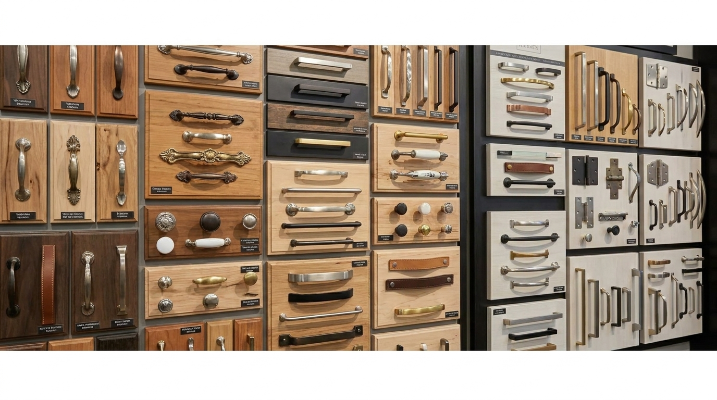
Selecting cabinet hardware may initially seem trivial. However, it can rapidly evolve into one of the more overwhelming aspects of any home decor project. Before choosing cabinet finishes, explore paint colors that help create a lighter and more spacious kitchen. With the myriad of choices available, homeowners often encounter decision paralysis, unsure of what would best fit their space. This confusion is further complicating due to the risk of mismatched styles. For instance, a trendy handle could clash with traditional cabinetry, resulting in a disjointed aesthetic that disrupts the home’s overall flow. When styles are not aligned, not only does the aesthetic suffer, but functionality can also be compromised.
Quality hardware can extend cabinet usability, but it cannot compensate for poor cabinet construction. Sizing issues present another considerable challenge. Inappropriate hardware can create discomfort when opening or closing cabinets, leading to a frustrating user experience. Picture struggling with tiny pulls that are almost impossible to grip or oversized knobs that jut out awkwardly in tight spaces. Beyond mere aesthetics, these poorly chosen hardware options can also detract from your kitchen’s efficiency, rendering a vital area of your home less functional. Ultimately, the stakes are high when it comes to selecting cabinet hardware. The repercussions of poor choices can echo throughout your living space, underscoring the need for careful consideration in this critical aspect of home decor.
Understanding the Selection of Cabinet Hardware
Choosing the right cabinet hardware is key to enhancing both the functionality and aesthetic appeal of your kitchen or bathroom. A structured approach not only simplifies the selection process but also helps homeowners make informed choices that align with their design vision. Once your cabinets are updated, a few decorative improvements can make an even bigger impact. Explore these budget-friendly kitchen decor ideas for additional inspiration.
1. Consider Style
The first step in selecting cabinet hardware is determining the style that best suits your space. Traditional designs often feature ornate details and materials such as polished brass, whereas modern styles embrace sleek lines and minimalistic designs. Transitional styles provide the flexibility of blending both, making them versatile. Taking stock of your current decor and personal preferences will help you choose the style that resonates most with your overall vision.
2. Finish Matters
After settling on a style, the next consideration is the finish of the hardware. Options vary from brushed nickel, which adds a contemporary touch, to oil-rubbed bronze for a more rustic appeal. Keep in mind that finish impacts not only the visual aesthetic but also the durability and maintenance requirements of the hardware. Carefully consider how each finish complements your countertops and cabinetry, aiming for consistent visual harmony throughout your design scheme.
3. Size and Scale
The size and scale of your chosen hardware are critical for achieving a balanced appearance. Oversized handles can overpower smaller cabinets, while tiny knobs may seem insignificant on large drawers. Before selecting hardware, it is essential to measure your cabinetry dimensions to ensure a harmonious fit and overall aesthetic appeal.
This structured roadmap for selecting cabinet hardware provides a solid foundation for a thoughtful and effective approach. What follows will address common selection challenges, deliver a detailed guide to hardware options, and culminate in installation advice, empowering you to achieve a cohesive and functional design in your home.
Step 1: Assessing Your Current Style
Embarking on the journey of selecting cabinet hardware begins with evaluating your existing decor for style consistency. Take a close look at your kitchen or bathroom. Are there recognizable themes, color schemes, or design elements that stand out? A mood board can be immensely helpful in this regard. Collect images from magazines, websites, or social media platforms that align with your design aspirations. By visually mapping out your preferred styles, you can more effectively identify the type of hardware that will enhance your overall aesthetic, ensuring compatibility rather than a clash.
Step 2: Defining Functional Needs
Next, it is crucial to consider your functional needs when choosing cabinet hardware. Each type of hardware serves a distinct purpose, so contemplate how frequently each cabinet will be utilized. For instance, if your pantry door is heavy, a handle might provide the better grip needed, while a simple knob may suffice for a flat cabinet door in your bathroom. Pairing the right hardware types with respective cabinet styles is essential; knobs typically work well on smaller drawers, while handles deliver better leverage for larger doors. Evaluating the utility of the hardware ensures that your selections are not only visually appealing but also highly functional in practice.
Step 3: Sizing and Scale Considerations
Once you have refined your options based on style and functional requirements, it’s time to focus on size selection. Accurate measurements are vital for determining the appropriate hardware size. Start by measuring your cabinets and noting the available space for hardware installation. Standard handle sizes usually range from 3" to 5" in center-to-center measurement, while knobs typically have a diameter of 1.5" to 2". More importantly, consider the scale of your cabinets to ensure that your hardware selection neither overwhelms nor diminishes the appearance of your cabinetry. Proper sizing optimizes both aesthetics and usability.
Step 4: Final Selection & Installation
With your choices narrowed down, it’s time for the final equipment selection and preparation for installation. Ensure that your hardware complements and aligns with the style and scale you’ve previously established. Before installing, take a moment to lay out placements for all hardware on cabinets, ensuring you maintain visual balance through alignment. A good rule of thumb is to maintain a consistent height and spacing across doors. Using a level will help guarantee straight placement. Thoughtful alignment and positioning will create a cohesive look while enhancing ease of use once completed.
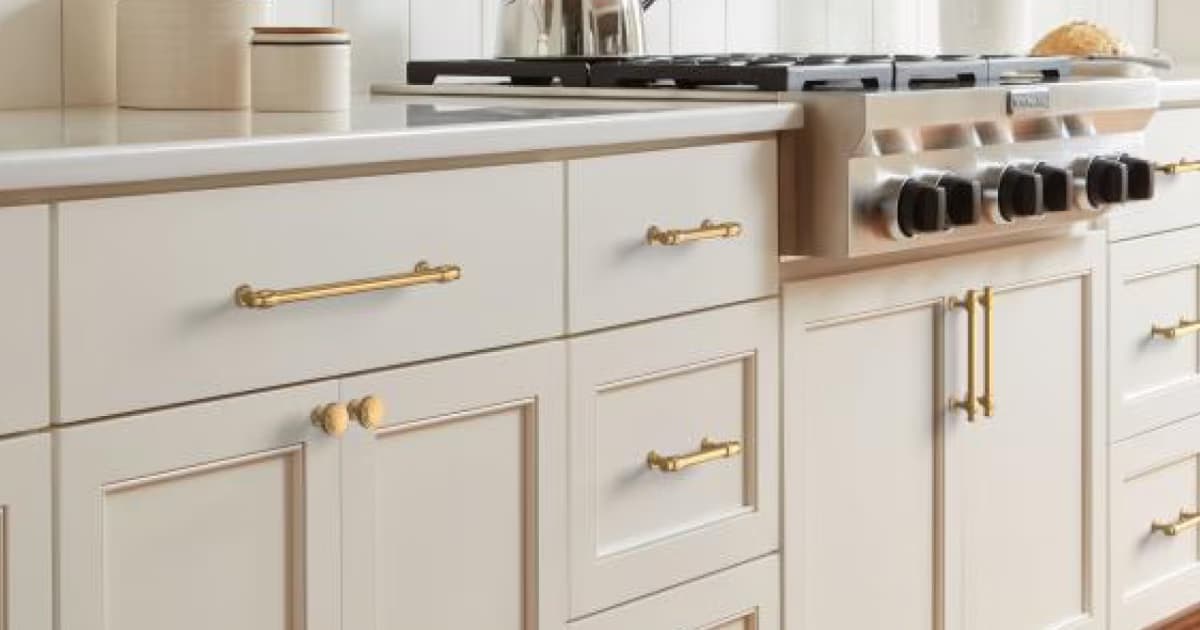
Material/Tools Breakdown
When selecting cabinet hardware, it is essential to consider both the materials of the hardware and the tools required for installation. Here’s a detailed overview of these crucial components:
Materials Commonly Used for Cabinet Hardware:
- Metal: Known for strength and durability, metal hardware types include stainless steel, brass, and aluminum, all providing long-lasting service and resistance to wear.
- Wood: Often used in decorative or traditional styles, wood hardware can either match or enhance the cabinetry’s appearance, although it may be less durable compared to metal and susceptible to warping over time.
- Plastic: Lightweight and budget-friendly, plastic hardware comes in varied styles and colors. While it’s easy to maintain, it may not withstand the rigors of heavy use as effectively as metals or wood.
Essential Tools for Installation:
- Screwdriver: A versatile tool for fastening screws that hold the hardware in place, either manually or using an electric version is suitable.
- Measuring Tape: Accurate measurements are critical to ensure proper alignment and fitting, which will enhance visual appeal.
- Level: Essential for ensuring that your hardware stays straight and aligned, particularly valuable for larger pieces.
Tips for Matching Hardware with Cabinet Materials:
- Make sure the color tone of the hardware matches the cabinetry’s finish in order to maintain a cohesive visual experience.
- Take into account the weight and durability of the hardware in respect to the cabinet material to avoid breakage or sagging that diminishes function.
By carefully selecting materials and equipping yourself with the essential tools, achieving both aesthetic and functional success in your cabinet hardware choices becomes entirely feasible.
Thoughtful Choices Reflecting Your Style
In closing, the selection of the right cabinet hardware is a pivotal step in enhancing both the aesthetic allure and functional capabilities of your home. By considering aesthetic design styles, functional requirements, and the materials involved, you can guarantee that your chosen hardware not only complements the overall decor but also performs its intended function efficiently. Take the time to contemplate your choices thoroughly, as thoughtful decisions regarding cabinet hardware can significantly elevate your interior while assuring durability and ease of use. Empowered with this knowledge, journey forth in your selection process and choose pieces that genuinely resonate with your unique style and enhance your living experience.