Gardening enthusiasts recognize that the cornerstone of a thriving garden lies in the soil, particularly when it comes to using planter boxes. These adaptable gardening tools provide a convenient and controlled environment for various plants, yet many gardeners tend to overlook the pivotal role that soil quality plays in their success. The right soil composition is essential not only for nourishing plants but also for optimizing drainage, aeration, and overall growth dynamics. In this article, we will explore common challenges faced by gardeners concerning planter box soil, such as issues with compaction and nutrient depletion, while also providing valuable insights into selecting and maintaining optimal soil conditions. Whether you’re starting or are an experienced gardener, grasping these critical factors can lead to healthier, more vigorous plants, greatly enhancing your gardening experience. Join us as we examine effective strategies regarding planter box soil and set the groundwork for achieving your gardening aspirations. If you want to reduce water usage, this guide on smart garden irrigation tips to save water efficiently is a great starting point.
Challenges with Planter Box Soil
A. Insufficient Drainage
One of the most pressing challenges encountered with planter boxes is insufficient drainage, which is critical to plant health. Poor drainage can suffocate plant roots and create conditions that are detrimental to their well-being. When water is unable to escape, it results in waterlogged soil, depriving roots of oxygen, which is essential for their growth. Signs of overwatering can manifest as yellowing or wilting leaves, and the most concerning of all is root rot—a disease that leads to root decay and can ultimately lead to plant death if not addressed promptly. Ensuring adequate drainage is crucial in averting these problems; utilizing materials such as gravel at the bottom of containers or employing perforated pots can significantly enhance drainage effectiveness, safeguarding plant health.
B. Nutrient Deficiencies
Another prevalent challenge within the realm of container gardening is the occurrence of nutrient deficiencies. Planter boxes often miss out on the diverse array of nutrients typically found in traditional garden soil, resulting in deficits in essential elements like nitrogen, phosphorus, and potassium. Such nutritional gaps can manifest in the form of stunted growth and reduced vigor in plants, leaving gardeners feeling frustrated and disillusioned. For instance, nitrogen deficiency may present as pale leaves and poor foliage development, sidelining the health of your garden. To mitigate this issue, it is crucial to select a high-quality potting mix and to regularly supplement these nutrients through the use of organic fertilizers, ensuring that the soil remains fertile and conducive to vibrant plant growth.
C. Soil Compaction
Soil compaction presents a significant hurdle that can severely hinder the growth potential of plants within planter boxes. When soil becomes compacted, it constrains root growth and diminishes the soil's ability to retain moisture, which increases stress on the plants over time. Compaction commonly occurs due to heavy usage or the employment of improper soil mixes that do not facilitate adequate aeration. Indicators of compacted soil include poor water infiltration and a hardened surface that obstructs root spread. To counteract compaction, it is vital to aerate the soil regularly and to incorporate organic matter, improving overall soil structure and enhancing both water retention capabilities and root development.
Choosing the Right Soil for Planter Boxes
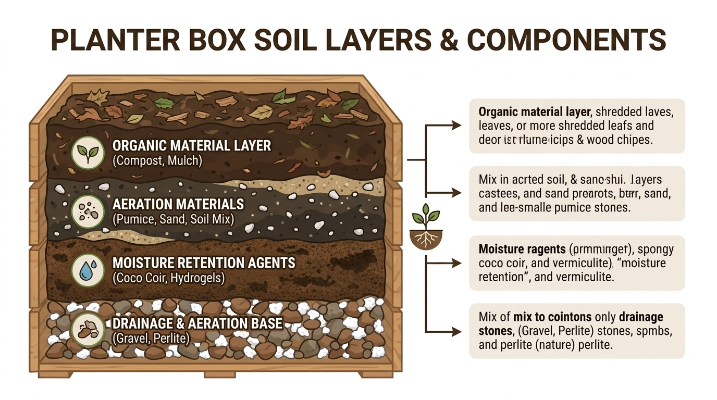
Creating high-quality planter box soil is essential for nurturing thriving and robust plants. The ideal mix consists of several vital components. Organic matter takes center stage, enriching the soil with essential nutrients and promoting microbial activity crucial for healthy plant life. Decomposed leaves, grass clippings, and well-aged manure can serve as excellent sources of organic material, developing the soil's rich structure.
To improve moisture retention, adding moisture retention agents such as coconut coir or vermiculite to your soil mix is beneficial. These materials effectively hold water, ensuring that your plants maintain access to vital hydration, especially during drier conditions.
Equally important for the development of strong plants is ensuring effective air circulation within the soil, achieved by incorporating aeration materials like perlite or expanded clay pellets. These components create air pockets that promote healthy root growth, preventing soil compaction.
An additional and crucial ingredient is compost. Its advantages extend beyond merely providing nutrients; compost fosters biodiversity within the soil ecosystem, supporting nutrient cycling and augmenting soil fertility. By integrating compost, gardeners not only supply vital nutrients but also improve the soil's resilience and structure. You can explore how to improve soil health naturally with this article about no-dig gardening techniques for easier maintenance.
Balancing pH Levels
Maintaining appropriate pH levels in planter box soil is vital for encouraging healthy plant growth. Soil pH significantly impacts the availability of essential nutrients, where a neutral range of around 6 to 7 is optimal for most plants. If the soil becomes overly acidic (below 6) or excessively alkaline (above 7), plants may struggle to absorb critical nutrients like nitrogen, phosphorus, and potassium, resulting in nutrient deficiencies and impaired growth.
To confirm that your planter box soil has optimal pH levels, begin by testing it with a soil pH testing kit, widely available at garden centers. This straightforward process enables you to understand your soil's current pH and facilitate informed adjustments. If the soil is too acidic, you can raise the pH by incorporating lime or wood ash. In contrast, to lower a high pH, sulfur or peat moss can be beneficial. Regularly monitoring and adjusting pH levels enhances nutrient availability and bolsters overall plant health, equipping gardeners with the knowledge necessary to cultivate thriving gardens within constrained spaces.
Recommended Soil Mixes
Achieving the flourishing growth of your herbs, vegetables, and flowers hinges on the choice of soil mix. Below are some effective soil mixtures tailored to different plant types:
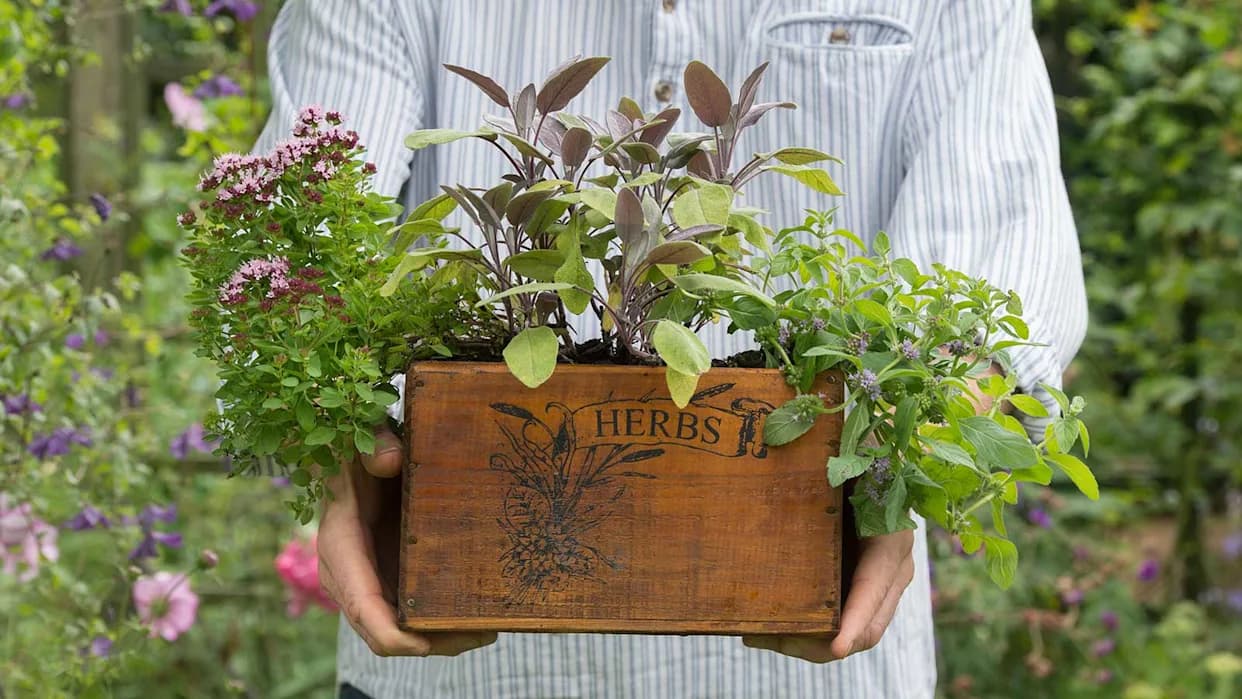
- Herb Mix: To grow herbs such as basil, thyme, and cilantro successfully, a well-draining mix is crucial. Combine equal parts of potting soil, coconut coir, and perlite to ensure good aeration and drainage. This adaptable mixture retains moisture while allowing excess water to escape, promoting healthy root development.
- Vegetable Mix: Vegetables thrive in nutrient-rich soil. An effective blend consists of two parts compost, one part peat moss, and one part vermiculite. This combination provides essential nutrients and refines soil structure, creating a fertile environment for growth. It is particularly advantageous for root vegetables like carrots and potatoes, which necessitate good drainage and aeration.
- Flower Mix: For vibrant flower gardens, a balanced mixture is essential. A recommended blend is three parts topsoil, one part compost, and one part perlite. This combination supports healthy plant growth and flower blooms, ensuring flowers receive adequate nutrients while ensuring optimal drainage.
When sourcing soil alternatives, local nurseries and garden centers generally offer high-quality options. Seek out soil that is organic and devoid of harmful chemicals, along with blends specifically formulated for your intended plants. Furthermore, many garden centers provide bagged mixtures tailored to specific plant needs, streamlining your path to achieving desired results.
Versatility in these mixes enables you to adapt to varying plant requirements, ensuring your garden flourishes irrespective of plant type. Experiment with these blends, and enjoy watching your planter boxes thrive with vibrant foliage and blossoms. For better plant growth, check out these optimal soil mix recommendations for containers and raised garden beds.
Importance of Regular Maintenance
Regular maintenance of planter box soil quality is vital for cultivating a successful garden. Over time, soil conditions can change significantly due to fluctuations in moisture, nutrient uptake by plants, and various environmental factors. Therefore, monitoring these changes is essential to guarantee optimal plant growth.
One key aspect of soil maintenance is ensuring proper drainage. Waterlogged soil can lead to root rot and other fungal diseases, severely compromising plant health. Periodically assess drainage by observing how quickly water is absorbed or if it pools on the surface after watering. If you notice pooling, it may indicate compaction or blockage that requires your attention.
Nutrient levels also play a pivotal role. As plants grow, they can deplete the soil of essential nutrients necessary for their sustained health. Incorporating organic fertilizers or compost throughout the growing season aids in replenishing these nutrients and bolstering soil health. Regular testing of nutrient levels, either through home kits or professional services, can guide you on the specific amendments needed.
Lastly, maintaining organic matter is crucial for sustaining soil structure and moisture retention. Adding compost or well-rotted manure enriches the soil and fosters beneficial microbial activity that supports plant health. Therefore, consistent monitoring and maintenance of soil conditions are directly linked to successful plant growth, making it a fundamental practice for any gardener aiming for a thriving planter box garden.