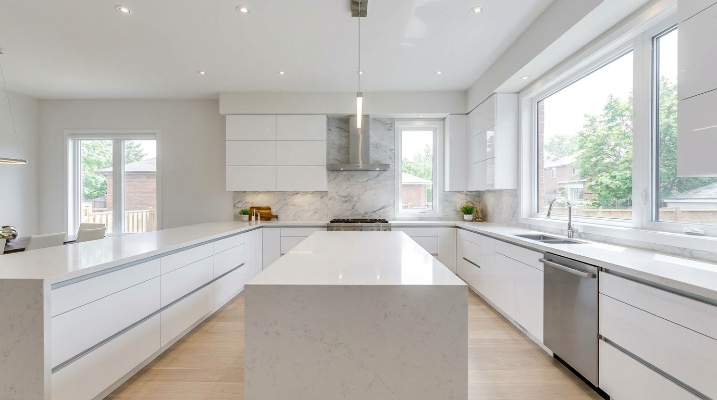
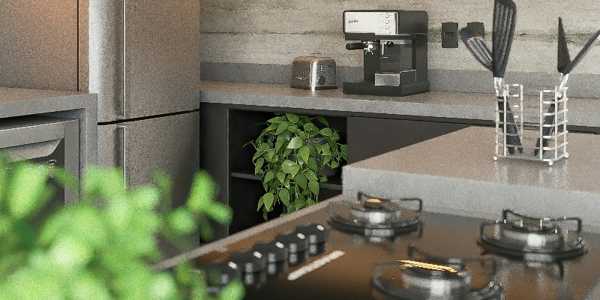
Understanding the financial aspects of a kitchen remodel is essential for homeowners who aspire to enhance their culinary space. Generally, kitchen remodeling costs span between $20,000 and $50,000, varying based on crucial factors such as geographic location, the scope of work, and the quality of materials selected. A kitchen remodel is not merely about aesthetic improvements; it also involves redesigning the layout for improved functionality, upgrading fixtures and appliances to boost efficiency, and selecting new materials that embody modern trends and durability. This article will delve deeper into the financial implications of various elements within the remodel, including labor, cabinetry, countertops, flooring, and appliances. By meticulously budgeting from the outset, homeowners can effectively navigate challenges and make informed decisions, ensuring their dream kitchen is both financially feasible and meets their culinary requirements. Understanding the major cost drivers of a kitchen remodel can help you plan a more realistic budget from the start.
Common Reasons Homeowners Choose to Remodel Their Kitchens
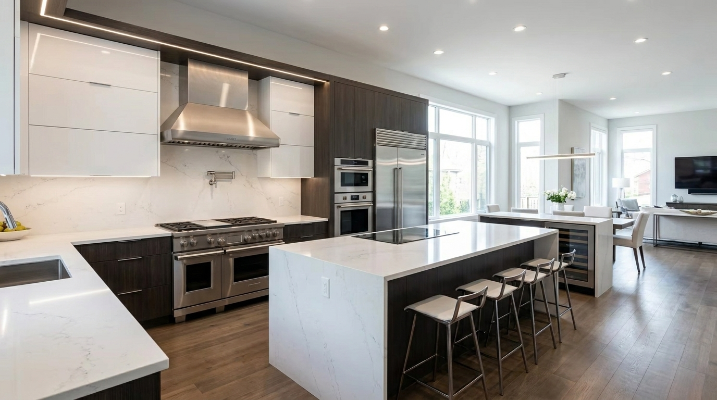
Before planning a full remodel, consider these simple decor improvements that deliver impressive results. Countless homeowners embark on kitchen remodels due to several motivating factors. One major impetus for remodeling is the desire to modernize outdated designs, transforming a space trapped in the past into a contemporary and functional hub. Improved functionality stands as another significant driver; many seek to enhance how their kitchen operates, possibly by incorporating an island for extra prep space or introducing additional storage options. Moreover, a skillfully executed remodel has the potential to boost the home's market value, making it appealing for future sales.
Nevertheless, it’s easy for many homeowners to underestimate the importance of creating a detailed budget before diving into renovation plans. For example, a homeowner may be eager to invest in high-end appliances but find themselves caught off guard by costs linked to permits, installation, or unanticipated structural adjustments. Frequent budgeting traps include undervaluing materials or neglecting labor fees—the latter often leads to hasty choices that can jeopardize the entire remodel. Ultimately, grasping these financial implications is critical; absent careful planning, what begins as a dream kitchen can quickly transform into a costly lament. If you're updating your kitchen, selecting the right paint color can have just as much impact as replacing cabinets or countertops.
Key Components of a Kitchen Remodel
A successful kitchen remodel encompasses several pivotal components, each of which significantly impacts the overall budget. Recognizing these elements is crucial for effective planning and can help homeowners sidestep financial missteps.
- Demolition (10-15%): This initial stage involves removing existing fixtures, cabinets, and appliances, setting the stage for a new design while also uncovering hidden issues that may need to be addressed before new installations can occur. Looking for cabinets that won't exceed your budget? This practical buying guide can help you compare your options.
- Design (5-10%): Engaging a skilled designer can elevate the remodel by creating a functional and visually pleasing layout. This stage typically includes creating blueprints, selecting materials, and space planning. Investing in thoughtful design can yield savings in both time and costs by minimizing design errors down the road.
- Materials (40-60%): As the most substantial portion of the budget, costs here are influenced by choices like countertop quality, cabinetry, flooring, and appliance types. Opting for high-quality materials at the outset enhances both the remodel's durability and its appeal. Whether you're remodeling or simply updating your space, choosing durable and affordable cabinets is a decision that pays off over time.
- Labor (20-30%): Skilled labor plays an essential role in achieving a successful remodel. Labor rates may vary based on project complexity and local market conditions, encompassing various trades such as carpentry, electrical work, plumbing, and general contracting.
- Installation (10-15%): Lastly, professional installation is crucial to ensure that all components—ranging from cabinets to ovens—are fitted correctly and securely. Proper installation is key to preventing future issues while enhancing product longevity.
In total, these components form the financial framework of a kitchen remodel, underscoring the necessity of diligent budgeting and planning.

Step-by-Step Process
- Assessing Your Needs
Start by examining your current kitchen layout and functionality. Identify distinct needs such as increased storage space, better workflow, or enhanced aesthetics. Consider your cooking and entertaining habits, as these will inform your design choices. Gather comprehensive measurements and pinpoint existing issues, like inadequate lighting or insufficient storage. Consulting with kitchen design professionals can yield valuable insights and tailored solutions. Their expertise can help visualize changes, ensuring that your remodel effectively meets your requirements while adhering to safety regulations. - Setting a Budget
Establishing a comprehensive budget for your kitchen remodel entails evaluating your finances and clarifying your remodeling goals. Assess how much you can reasonably allocate without compromising other financial obligations. A typical mid-range kitchen remodel might cost between $20,000 and $50,000, while high-end upgrades might reach $100,000 or more. Minor renovations focused on cosmetic updates can fall within the $10,000 to $15,000 range. Ensure you include potential costs for permits and unexpected expenses that may arise during the remodeling process. Developing a practical budget early enables you to maintain control over expenditures, setting the foundation for all design decisions. - Choosing Materials
The selection of materials can significantly influence both your kitchen's cost and aesthetic appeal. High-end countertops like granite or quartz typically cost between $50 and $150 per square foot, while laminate offers a more budget-conscious alternative ranging from $20 to $40 per square foot. When selecting cabinetry, semi-custom and stock options often balance quality and affordability, generally priced between $80 and $400 per linear foot. For flooring, viable options like ceramic tile or luxury vinyl provide durability and style at an accessible price point. Researching local sales, clearance items, and alternative materials can help enhance value without reducing quality. Energy-efficient appliances can help reduce utility bills while making everyday cooking more convenient and sustainable. - Hiring Professionals
Engaging skilled professionals—such as contractors or kitchen designers—can save time and guarantee quality work, especially for complicated jobs like electrical or plumbing upgrades. While labor costs may range from $50 to $150 per hour, investing in qualified labor can avoid costly mistakes and delays during the renovation process. - Planning the Project
A well-structured timeline is essential for a successful kitchen remodel. Draft a detailed outline of each phase and establish deadlines to prevent unnecessary delays. Keeping a close eye on expenses throughout the project helps maintain budget oversight. Employing project management tools or apps can assist in organization, ensuring that tasks stay on schedule.
Material/Tools Breakdown
Smart design doesn't require a larger footprint—small changes can make a kitchen feel significantly more open and efficient. When embarking on a kitchen remodel, it's vital to recognize the materials and tools that significantly contribute to the total cost. Cabinetry may range from $2,000 to $10,000, depending on style and finish. Countertops vary widely, with options like granite typically costing $50 to $100 per square foot, whereas appliances may collectively cost between $2,000 and $8,000, depending on brand and features. Budget approximately $100 to $500 per fixture for lighting to ensure a contemporary aesthetic.
On the tools side, essential power tools such as drills ($100) and circular saws ($150) are necessary, along with measuring tools like laser levels ($50) and tape measures ($10). Additional expenses, such as permits or inspections, can add anywhere from $500 to $1,500, contingent on local regulations. It's paramount to factor in these costs to avert unexpected budget overruns during your kitchen renovation journey.